
Hunting Land Buying Tips: Your Complete Guide
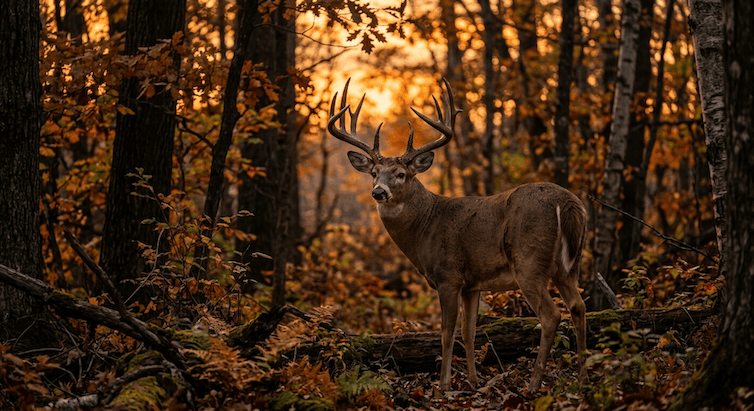
Buying your own hunting land is one of the most rewarding investments an outdoorsman can make. No more leases, no more crowded public land, and no more asking permission. Your own property means your own rules — you decide when to hunt, how to manage the habitat, and who gets an invitation. But purchasing hunting land is different from buying a house or a residential lot, and going in without a plan can lead to expensive mistakes.
At Classic Country Land, we have helped thousands of buyers find affordable hunting land across 23 states over the past 25-plus years. This guide covers the most important hunting land buying tips we have learned along the way so you can make a confident purchase and start enjoying your property as soon as possible.
Define Your Hunting Goals Before You Shop
The single biggest mistake new land buyers make is shopping before they know what they actually need. A 5-acre wooded lot in Tennessee serves a very different purpose than a 40-acre tract of mixed grassland and timber in Oklahoma. Before you start browsing listings, get clear on a few basics.
What Will You Hunt?
Different game requires different habitat. Whitetail deer thrive in areas with a mix of hardwood timber, food plots, and edge habitat where woods meet open ground. Turkey need mature timber with open understory for roosting and strutting. Waterfowl hunters need proximity to water — ponds, creeks, river bottoms, or flooded timber. Small game like rabbit and quail prefer thick brush and grassland.
Make a list of your primary and secondary game species. That list will guide almost every other decision, from which state to search in to what kind of terrain you need.
How Often Will You Use the Property?
If you plan to hunt every weekend during season, you will want something within a reasonable driving distance of your home — ideally two to three hours or less. If the property is more of a once-or-twice-a-year destination hunt, distance matters less, and you can prioritize habitat quality and price over convenience.
Do You Want to Build or Camp?
Some hunters want a cabin or permanent structure on the land. Others are perfectly happy with a tent, a truck camper, or a simple shed for gear storage. Your answer affects what you need in terms of road access, utilities, and local building codes. Be honest with yourself about this upfront so you do not overpay for features you will not use.
Evaluate the Habitat and Terrain
Once you know your goals, it is time to evaluate actual properties. Habitat quality is the most important factor in hunting land, and it is something many first-time buyers overlook in favor of acreage size or a low price tag.
Look for Diverse Cover Types
The best hunting properties are not uniform. You want a mix of cover types — mature timber for bedding and travel corridors, younger growth for browse, open areas or fields for food plots, and water sources. This diversity supports more wildlife and gives you options for stand placement and hunting strategies throughout the season.
Check for Water
A reliable water source on or adjacent to the property is a major asset. Creeks, ponds, springs, and even seasonal drainages attract and hold game. If the property is bone dry, wildlife will travel elsewhere to drink, and your hunting opportunities will suffer during dry spells.
Study the Topography
Ridges, hollows, saddles, and creek bottoms all influence how deer and other game move across the landscape. Use topographic maps and satellite imagery to identify natural travel corridors and funnels before you visit. Properties with varied terrain give you more tactical options than flat, featureless land.
Assess Neighboring Land Use
Your property does not exist in a vacuum. If the neighboring land is a working cattle ranch with open pasture, your wooded parcel could serve as the primary bedding area for deer in the region — that is a good thing. If the neighbors are running a hunting operation with heavy pressure, your experience may be affected. Take a look at what surrounds the property on all sides using satellite maps.
Understand Access and Legal Considerations
A beautiful piece of hunting land is worthless if you cannot get to it legally or if local regulations prevent you from using it the way you intend.
Confirm Legal Access
Make sure the property has deeded road access, not just a handshake agreement with a neighbor. Ask whether the access road is a county-maintained road, a private road with an easement, or an unimproved trail. Landlocked parcels — properties with no legal road access — can be very difficult to use and even harder to resell.
Research State and County Hunting Regulations
Hunting seasons, bag limits, weapon restrictions, and baiting laws vary by state and sometimes by county or wildlife management zone. Before you commit to a property, make sure the local regulations align with how you want to hunt. For example, some states restrict rifle hunting for deer in certain zones, while others have generous seasons and liberal bag limits.
Check Local Zoning
In most rural counties across the states where Classic Country Land operates — including Oklahoma, Arkansas, Texas, and others — zoning is minimal and hunting use is straightforward. But it is always worth a quick check with the county to confirm there are no surprises, especially if you plan to build a structure or install a gate.
Think About Size and Price Per Acre
Bigger is not always better when it comes to hunting land, but size does matter for certain types of hunting and habitat management.
How Much Land Do You Actually Need?
For a personal hunting retreat focused on whitetail deer, you can have a great experience on as little as 10 to 20 acres if the habitat is right and the neighboring land is favorable. Turkey hunting benefits from larger tracts since birds roam more widely. If you want to do serious habitat management — planting food plots, managing timber, creating water features — 40 acres or more gives you room to work.
Price Per Acre vs. Total Price
Do not get fixated on price per acre alone. A 10-acre parcel at $1,500 per acre might be a better hunting property than a 40-acre parcel at $500 per acre if it has superior habitat, water, and access. Evaluate each property on its total value to you as a hunter, not just the math.
Start Small and Expand Later
If budget is a concern, there is nothing wrong with starting with a smaller parcel and adding adjacent land later as it becomes available. Many of our buyers at Classic Country Land begin with an affordable tract and build their hunting property over time.
How to Buy Hunting Land With Owner Financing
Here is where things get exciting. Traditional lenders make buying raw land unnecessarily complicated. Banks often will not finance unimproved land at all, and when they do, they require large down payments, high credit scores, and weeks of paperwork.
Classic Country Land takes a different approach with owner financing. We sell land directly to you with simple, affordable terms.
No Credit Checks, No Background Checks
We do not run your credit or background check. Whether you are a first-time buyer or you have been turned down by a bank, we are here to help you become a landowner.
Down Payments Starting at $249
You do not need to save up thousands of dollars. Our down payments start at just $249, which means you can lock down your hunting property today and start making plans for this season.
Simple Monthly Payments
After your down payment, you will make low monthly payments directly to Classic Country Land. No balloon payments and no prepayment penalty. Your upfront cost is the down payment plus a one-time $249 document fee at closing. To see how the full process works, visit our How It Works page.
Where to Find Affordable Hunting Land
Classic Country Land offers properties across 23 states, many of which are outstanding hunting destinations. Here are a few standouts.
Oklahoma
Oklahoma offers some of the best whitetail deer hunting in the country at prices that are hard to beat. The state also has strong populations of turkey, hog, and waterfowl.
Texas
With the longest deer season in the nation and a huge variety of game, Texas is a hunter’s paradise. Western and central Texas offer rugged terrain, while east Texas provides thick timber and lush creek bottoms.
Arkansas
The Natural State lives up to its name. Arkansas delivers excellent deer and turkey hunting amid beautiful Ozark and Ouachita mountain terrain, often at lower prices than neighboring states.
Tennessee
Tennessee’s diverse landscape supports whitetail deer, turkey, small game, and outstanding freshwater fishing. The state’s moderate climate means comfortable conditions from early bow season through late winter hunts.
Mississippi, Kentucky, and Kansas
These states round out some of the best hunting land opportunities in the country, each with their own strengths in game populations, terrain, and affordability.
Check out our full property listings to find hunting land in the state that fits your goals.
Common Mistakes to Avoid
Even experienced hunters can make mistakes when buying land. Here are the most common pitfalls we see.
Buying Sight Unseen Without Research
Satellite images and property descriptions are helpful, but they do not tell the whole story. If you cannot visit in person, at minimum study the property using multiple satellite map sources, check the county GIS for parcel boundaries, and ask the seller detailed questions about access, terrain, and timber.
Ignoring Neighboring Land
As mentioned above, your neighbors matter. A property that borders public hunting land can be a bonus or a curse depending on the pressure level. Industrial or agricultural operations nearby could affect wildlife patterns.
Overlooking Access Issues
A locked gate, a washed-out road, or a missing easement can turn your dream property into a headache. Always verify road access before you buy.
Waiting for the Perfect Property
The perfect hunting property at the perfect price rarely exists. If you find a tract that checks most of your boxes at a price you can afford, it is usually better to act than to wait. Good properties do not last long, and land prices generally trend upward over time.
Take the First Step Toward Your Own Hunting Land
Owning your own hunting property is closer than you think. With Classic Country Land’s owner financing, you can get started with as little as $999 down, no credit check, and no bank approval. We have been helping buyers find affordable land for more than 25 years, and we would love to help you find the right parcel for your next adventure.
Browse our available properties today or call us at 972-649-6200 to talk with a member of our team. Your hunting land is waiting.
Frequently Asked Questions
How many acres do I need for a good hunting property?
It depends on your game and goals. For whitetail deer, 10 to 20 acres with good habitat can provide an excellent experience, especially if neighboring land is favorable. For serious habitat management or turkey hunting, 40 acres or more is ideal. Start with what fits your budget and expand over time.
Can I buy hunting land with no credit check?
Yes. Classic Country Land offers in-house owner financing with no credit checks and no background checks. Down payments start at $249, and you make simple monthly payments directly to us. Visit our owner financing page for details.
What states have the cheapest hunting land?
Among the 13 states where Classic Country Land operates, Oklahoma, Arkansas, Mississippi, and parts of Texas and Tennessee consistently offer some of the most affordable hunting acreage. Check our properties page for current listings and pricing.
Should I buy hunting land or lease?
Buying gives you permanent access, the ability to manage habitat, and long-term appreciation. Leasing is cheaper upfront but offers no equity and can be lost at any time. For hunters who plan to use their land for years to come, buying almost always makes more sense — especially with affordable owner financing.
What should I look for when visiting a hunting property?
Pay attention to water sources, cover diversity, terrain features like ridges and creek bottoms, sign of game activity such as tracks and rubs, road access quality, and what the neighboring land looks like. Bring a topo map and walk the property boundaries if possible.
What you pay upfront: $999 down, plus a one-time $249 document fee at closing.
Financing disclosure: Basic-plan payments shown assume $999 down at 10.99% APR, amortized over terms up to 20 years — some contracts include a balloon payment, typically due after three years, when the remaining balance is refinanced or paid. Rates, discounts, and terms are subject to adjustment without notice.
Buying your own hunting land is one of the most rewarding investments an outdoorsman can make. No more leases, no more crowded public land, and no more asking permission. Your own property means your own rules — you decide when to hunt, how to manage the habitat, and who gets an invitation. But purchasing hunting land is different from buying a house or a residential lot, and going in without a plan can lead to expensive mistakes.
At Legacy Land, we have helped thousands of buyers find affordable hunting land across 23 states over the past 25-plus years. This guide covers the most important hunting land buying tips we have learned along the way so you can make a confident purchase and start enjoying your property as soon as possible.
Define Your Hunting Goals Before You Shop
The single biggest mistake new land buyers make is shopping before they know what they actually need. A 5-acre wooded lot in Tennessee serves a very different purpose than a 40-acre tract of mixed grassland and timber in Oklahoma. Before you start browsing listings, get clear on a few basics.
What Will You Hunt?
Different game requires different habitat. Whitetail deer thrive in areas with a mix of hardwood timber, food plots, and edge habitat where woods meet open ground. Turkey need mature timber with open understory for roosting and strutting. Waterfowl hunters need proximity to water — ponds, creeks, river bottoms, or flooded timber. Small game like rabbit and quail prefer thick brush and grassland.
Make a list of your primary and secondary game species. That list will guide almost every other decision, from which state to search in to what kind of terrain you need.
How Often Will You Use the Property?
If you plan to hunt every weekend during season, you will want something within a reasonable driving distance of your home — ideally two to three hours or less. If the property is more of a once-or-twice-a-year destination hunt, distance matters less, and you can prioritize habitat quality and price over convenience.
Do You Want to Build or Camp?
Some hunters want a cabin or permanent structure on the land. Others are perfectly happy with a tent, a truck camper, or a simple shed for gear storage. Your answer affects what you need in terms of road access, utilities, and local building codes. Be honest with yourself about this upfront so you do not overpay for features you will not use.
Evaluate the Habitat and Terrain
Once you know your goals, it is time to evaluate actual properties. Habitat quality is the most important factor in hunting land, and it is something many first-time buyers overlook in favor of acreage size or a low price tag.
Look for Diverse Cover Types
The best hunting properties are not uniform. You want a mix of cover types — mature timber for bedding and travel corridors, younger growth for browse, open areas or fields for food plots, and water sources. This diversity supports more wildlife and gives you options for stand placement and hunting strategies throughout the season.
Check for Water
A reliable water source on or adjacent to the property is a major asset. Creeks, ponds, springs, and even seasonal drainages attract and hold game. If the property is bone dry, wildlife will travel elsewhere to drink, and your hunting opportunities will suffer during dry spells.
Study the Topography
Ridges, hollows, saddles, and creek bottoms all influence how deer and other game move across the landscape. Use topographic maps and satellite imagery to identify natural travel corridors and funnels before you visit. Properties with varied terrain give you more tactical options than flat, featureless land.
Assess Neighboring Land Use
Your property does not exist in a vacuum. If the neighboring land is a working cattle ranch with open pasture, your wooded parcel could serve as the primary bedding area for deer in the region — that is a good thing. If the neighbors are running a hunting operation with heavy pressure, your experience may be affected. Take a look at what surrounds the property on all sides using satellite maps.
Understand Access and Legal Considerations
A beautiful piece of hunting land is worthless if you cannot get to it legally or if local regulations prevent you from using it the way you intend.
Confirm Legal Access
Make sure the property has deeded road access, not just a handshake agreement with a neighbor. Ask whether the access road is a county-maintained road, a private road with an easement, or an unimproved trail. Landlocked parcels — properties with no legal road access — can be very difficult to use and even harder to resell.
Research State and County Hunting Regulations
Hunting seasons, bag limits, weapon restrictions, and baiting laws vary by state and sometimes by county or wildlife management zone. Before you commit to a property, make sure the local regulations align with how you want to hunt. For example, some states restrict rifle hunting for deer in certain zones, while others have generous seasons and liberal bag limits.
Check Local Zoning
In most rural counties across the states where Legacy Land operates — including Oklahoma, Arkansas, Texas, and others — zoning is minimal and hunting use is straightforward. But it is always worth a quick check with the county to confirm there are no surprises, especially if you plan to build a structure or install a gate.
Think About Size and Price Per Acre
Bigger is not always better when it comes to hunting land, but size does matter for certain types of hunting and habitat management.
How Much Land Do You Actually Need?
For a personal hunting retreat focused on whitetail deer, you can have a great experience on as little as 10 to 20 acres if the habitat is right and the neighboring land is favorable. Turkey hunting benefits from larger tracts since birds roam more widely. If you want to do serious habitat management — planting food plots, managing timber, creating water features — 40 acres or more gives you room to work.
Price Per Acre vs. Total Price
Do not get fixated on price per acre alone. A 10-acre parcel at $1,500 per acre might be a better hunting property than a 40-acre parcel at $500 per acre if it has superior habitat, water, and access. Evaluate each property on its total value to you as a hunter, not just the math.
Start Small and Expand Later
If budget is a concern, there is nothing wrong with starting with a smaller parcel and adding adjacent land later as it becomes available. Many of our buyers at Legacy Land begin with an affordable tract and build their hunting property over time.
How to Buy Hunting Land With Owner Financing
Here is where things get exciting. Traditional lenders make buying raw land unnecessarily complicated. Banks often will not finance unimproved land at all, and when they do, they require large down payments, high credit scores, and weeks of paperwork.
Legacy Land takes a different approach with owner financing. We sell land directly to you with simple, affordable terms.
No Credit Checks, No Background Checks
We do not run your credit or background check. Whether you are a first-time buyer or you have been turned down by a bank, we are here to help you become a landowner.
Down Payments Starting at $249
You do not need to save up thousands of dollars. Our down payments start at just $249, which means you can lock down your hunting property today and start making plans for this season.
Simple Monthly Payments
After your down payment, you will make low monthly payments directly to Legacy Land. No balloon payments and no prepayment penalty. Your upfront cost is the down payment plus a one-time $249 document fee at closing. To see how the full process works, visit our How It Works page.
Where to Find Affordable Hunting Land
Legacy Land offers properties across 23 states, many of which are outstanding hunting destinations. Here are a few standouts.
Oklahoma
Oklahoma offers some of the best whitetail deer hunting in the country at prices that are hard to beat. The state also has strong populations of turkey, hog, and waterfowl.
Texas
With the longest deer season in the nation and a huge variety of game, Texas is a hunter’s paradise. Western and central Texas offer rugged terrain, while east Texas provides thick timber and lush creek bottoms.
Arkansas
The Natural State lives up to its name. Arkansas delivers excellent deer and turkey hunting amid beautiful Ozark and Ouachita mountain terrain, often at lower prices than neighboring states.
Tennessee
Tennessee’s diverse landscape supports whitetail deer, turkey, small game, and outstanding freshwater fishing. The state’s moderate climate means comfortable conditions from early bow season through late winter hunts.
Mississippi, Kentucky, and Kansas
These states round out some of the best hunting land opportunities in the country, each with their own strengths in game populations, terrain, and affordability.
Check out our full property listings to find hunting land in the state that fits your goals.
Common Mistakes to Avoid
Even experienced hunters can make mistakes when buying land. Here are the most common pitfalls we see.
Buying Sight Unseen Without Research
Satellite images and property descriptions are helpful, but they do not tell the whole story. If you cannot visit in person, at minimum study the property using multiple satellite map sources, check the county GIS for parcel boundaries, and ask the seller detailed questions about access, terrain, and timber.
Ignoring Neighboring Land
As mentioned above, your neighbors matter. A property that borders public hunting land can be a bonus or a curse depending on the pressure level. Industrial or agricultural operations nearby could affect wildlife patterns.
Overlooking Access Issues
A locked gate, a washed-out road, or a missing easement can turn your dream property into a headache. Always verify road access before you buy.
Waiting for the Perfect Property
The perfect hunting property at the perfect price rarely exists. If you find a tract that checks most of your boxes at a price you can afford, it is usually better to act than to wait. Good properties do not last long, and land prices generally trend upward over time.
Take the First Step Toward Your Own Hunting Land
Owning your own hunting property is closer than you think. With Legacy Land’s owner financing, you can get started with as little as $999 down, no credit check, and no bank approval. We have been helping buyers find affordable land for more than 25 years, and we would love to help you find the right parcel for your next adventure.
Browse our available properties today or call us at 972-649-6200 to talk with a member of our team. Your hunting land is waiting.
Frequently Asked Questions
How many acres do I need for a good hunting property?
It depends on your game and goals. For whitetail deer, 10 to 20 acres with good habitat can provide an excellent experience, especially if neighboring land is favorable. For serious habitat management or turkey hunting, 40 acres or more is ideal. Start with what fits your budget and expand over time.
Can I buy hunting land with no credit check?
Yes. Legacy Land offers in-house owner financing with no credit checks and no background checks. Down payments start at $249, and you make simple monthly payments directly to us. Visit our owner financing page for details.
What states have the cheapest hunting land?
Among the 13 states where Legacy Land operates, Oklahoma, Arkansas, Mississippi, and parts of Texas and Tennessee consistently offer some of the most affordable hunting acreage. Check our properties page for current listings and pricing.
Should I buy hunting land or lease?
Buying gives you permanent access, the ability to manage habitat, and long-term appreciation. Leasing is cheaper upfront but offers no equity and can be lost at any time. For hunters who plan to use their land for years to come, buying almost always makes more sense — especially with affordable owner financing.
What should I look for when visiting a hunting property?
Pay attention to water sources, cover diversity, terrain features like ridges and creek bottoms, sign of game activity such as tracks and rubs, road access quality, and what the neighboring land looks like. Bring a topo map and walk the property boundaries if possible.
What you pay upfront: $999 down, plus a one-time $249 document fee at closing.
Financing disclosure: Basic-plan payments shown assume $999 down at 10.99% APR, amortized over terms up to 20 years — some contracts include a balloon payment, typically due after three years, when the remaining balance is refinanced or paid. Rates, discounts, and terms are subject to adjustment without notice.