
Land for Tiny Homes: How to Find the Perfect Lot
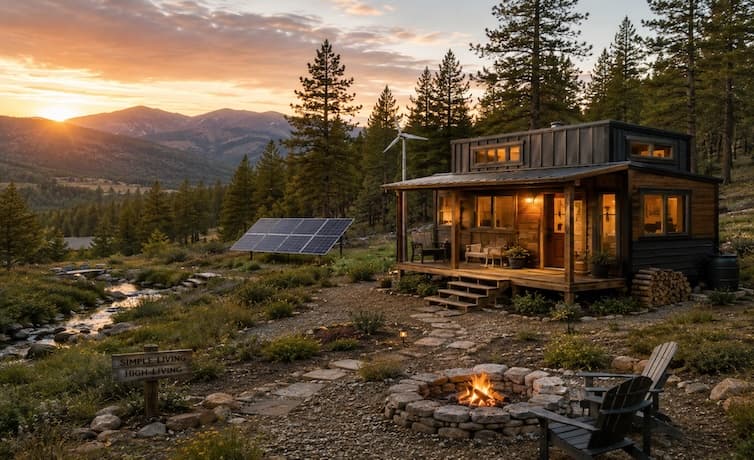
The tiny home movement has gone from a niche curiosity to a full-blown lifestyle shift, and for good reason. Tiny homes offer freedom from oversized mortgages, a smaller environmental footprint, and the chance to live more intentionally. But before you can park or build your tiny home, you need one essential thing: land for tiny homes that fits your budget and your vision.
Finding the right piece of land is often the trickiest part of the tiny home journey. Zoning rules vary wildly, financing can be confusing, and prices in popular areas keep climbing. That’s where Classic Country Land comes in. We’ve been selling affordable rural land across 23 states for over 25 years, and our owner financing program makes it possible to secure your lot with as little as $999 down — no credit check required.
Here’s everything you need to know about finding and buying the perfect land for your tiny home.
Why You Need Your Own Land for a Tiny Home
Many tiny home owners initially consider renting a spot in an RV park or parking on a friend’s property. While those can work as temporary solutions, owning your own land gives you something they can’t: stability, freedom, and long-term value.
True Independence
When you own the land under your tiny home, nobody can ask you to leave. You set the rules. You decide what to plant, what to build, and how to use your property. That kind of independence is the whole point of the tiny home lifestyle for many people.
Building Equity
Monthly rent in an RV park or mobile home community is money you’ll never see again. When you buy land with affordable monthly payments, every dollar goes toward something you’ll own outright. That’s real wealth-building, even on a modest budget.
Customization Freedom
Your own land means you can add a garden, install solar panels, build a workshop, create outdoor living spaces, or expand over time. Try doing that in a rental space.
What to Look for in Tiny Home Land
Not all land is equally suited for a tiny home. Here are the key factors to evaluate as you search.
Zoning and Building Codes
This is the single most important factor for tiny home buyers. Zoning regulations determine whether you can legally place a tiny home on a given parcel. The rules depend on your county, your tiny home type, and how the local government classifies it.
Tiny homes on wheels (THOWs) are often classified as RVs. Some counties allow RVs as full-time residences on private land, while others restrict them to temporary use or require them in designated parks.
Tiny homes on foundations are typically treated as standard residential structures and must meet local building codes, which may include minimum square footage requirements.
The good news: Many of the rural counties where Classic Country Land sells property have more relaxed zoning regulations than urban or suburban areas. Rural land in states like New Mexico, Texas, Arizona, and Arkansas tends to offer more flexibility for alternative housing, including tiny homes.
Always verify the specific regulations with the county planning or zoning department before purchasing. Our team can help point you in the right direction.
Access to Utilities or Off-Grid Capability
Consider how you’ll handle electricity, water, and waste management on your property.
Grid-connected land with existing utility access makes setup easier, but it’s not always available in rural areas — and it’s not always necessary.
Off-grid setups are increasingly popular among tiny home owners. Solar panels, rainwater collection, composting toilets, and well water can provide everything you need without connecting to municipal systems. States with abundant sunshine like Arizona, New Mexico, and Texas are especially well-suited for solar-powered tiny homes.
Road Access
Make sure you can get to your land. Some rural parcels are accessed by paved county roads, others by maintained dirt roads, and some by unimproved trails. If you’ll be towing a tiny home on wheels to the property, you’ll need road access that can handle the load.
Terrain and Soil
A relatively flat area makes placing a tiny home much easier, whether it’s on wheels or a foundation. If you plan to build a foundation, the soil type matters for stability and drainage. Sandy, rocky, or heavily sloped terrain can add complexity and cost to your setup.
Proximity to Town and Services
Part of the tiny home appeal is getting away from it all, but think about practical needs: groceries, medical care, fuel, internet access, and mail service. Some buyers prefer complete seclusion, while others want to be within a reasonable drive of a small town.
Best States for Tiny Home Land
Classic Country Land offers properties across 23 states, and several of them are particularly well-suited for tiny home living.
Texas
Texas is one of the most tiny-home-friendly states in the country. Many rural counties have no minimum square footage requirements and few restrictions on alternative housing. The state’s sheer size means affordable land is plentiful, and the climate is warm enough for year-round tiny home living in most regions.
Arizona
Arizona’s dry climate, abundant sunshine, and relaxed rural zoning make it a top choice for off-grid tiny home owners. Solar power is highly effective here, and the low humidity is easier on tiny home structures over time.
New Mexico
Similar to Arizona, New Mexico offers a dry climate, over 300 days of sunshine, and rural counties where tiny homes face fewer regulatory hurdles. Land prices are among the lowest in the West.
Arkansas
For buyers who prefer green landscapes over desert terrain, Arkansas offers affordable rural land with a milder four-season climate. Many of the state’s rural counties have lenient building regulations, and the cost of living is well below the national average.
Colorado
If mountain living appeals to you, Colorado has rural areas with affordable land and stunning scenery. Higher elevations bring colder winters, so insulation and heating become more important for your tiny home, but the lifestyle trade-off is hard to beat.
How Much Does Land for a Tiny Home Cost?
One of the best things about the tiny home lifestyle is that it’s designed to be affordable — and the land can be, too. Prices vary depending on location, acreage, and features, but rural land in the states where Classic Country Land operates is often surprisingly inexpensive compared to suburban lots.
With Classic Country Land’s owner financing, the upfront cost is even more manageable:
- Down payments start at $249 — not thousands of dollars
- No credit checks — your score doesn’t matter
- No background checks — everyone deserves a fresh start
- Affordable monthly payments — structured to fit real budgets
- BBB accredited since 2006 — with over 25 years of experience
You don’t need to save up for years to buy your tiny home lot. You could secure a property this week.
Steps to Buying Land for Your Tiny Home
Ready to make it happen? Here’s a straightforward process to follow.
Step 1: Define Your Needs
Decide what matters most to you. Climate? Proximity to family? Off-grid capability? A specific state? Knowing your priorities helps narrow the search quickly.
Step 2: Research County Zoning
Before falling in love with a specific parcel, confirm that the county allows tiny homes. Focus on rural counties with less restrictive zoning, and contact the county planning office directly for the most current rules.
Step 3: Browse Properties
Visit Classic Country Land’s property listings to see what’s available. Each listing includes location details, acreage, pricing, and photos or maps to help you evaluate the parcel.
Step 4: Ask Questions
Our team has over 25 years of experience helping land buyers. Call us at 972-649-6200 with any questions about a property — access, terrain, nearby amenities, or anything else.
Step 5: Secure Your Land
Once you’ve found the right lot, our simple financing process gets you started with a small down payment. You’ll receive all the documentation for your purchase and begin making manageable monthly payments.
Step 6: Plan Your Tiny Home Setup
With the land secured, you can begin planning your tiny home placement or build. Take your time — the land is yours, and there’s no rush to develop it immediately.
Common Mistakes to Avoid
Learning from other buyers’ experiences can save you time and headaches.
Skipping the zoning research. This is the number one mistake. Always confirm that tiny homes are permitted before you purchase. A great deal on land doesn’t help if you can’t legally use it the way you planned.
Ignoring access issues. If you can’t get your tiny home to the land, the location doesn’t work. Verify road access, especially if you’re towing a THOW.
Underestimating utility setup costs. Even off-grid systems have upfront costs — solar panels, a well, a septic system or composting toilet. Budget for these alongside the land purchase.
Buying more land than you need. If your tiny home lifestyle is about simplicity and affordability, a smaller parcel may be all you need. Don’t overextend your budget on acreage you won’t use.
Your Tiny Home Adventure Starts With the Land
The tiny home dream is closer than you think. With affordable rural land available across 13 states and owner financing that requires no credit check and as little as $999 down, Classic Country Land makes the first step — securing your lot — as simple as possible.
Browse available properties today or call 972-649-6200 to talk with our team. We’ll help you find the right piece of land for your tiny home, answer every question, and get you on the path to ownership.
Frequently Asked Questions
Can I put a tiny home on any piece of land?
Not necessarily. Whether you can place a tiny home on a specific parcel depends on local zoning and building codes. Rural counties tend to have more relaxed rules, but you should always check with the county planning office before purchasing. Classic Country Land’s team can help guide your research.
Is it cheaper to buy land for a tiny home than for a traditional house?
Generally, yes. Tiny homes require less land area, and rural parcels suitable for tiny homes are often much more affordable than suburban or urban lots. With Classic Country Land, you can secure land with just $999 down and affordable monthly payments.
Do I need to hook up to utilities for a tiny home?
No. Many tiny home owners live entirely off-grid using solar power, well water or rainwater collection, and composting toilets. The feasibility of off-grid living depends on your location and local regulations, but it’s a popular and practical choice in many of the states where we sell land.
Can I live in a tiny home on wheels full-time on my own land?
This depends on your county’s regulations. Some rural counties allow full-time RV or THOW residency on private land, while others classify tiny homes on wheels as temporary structures. Researching your specific county’s rules is an essential early step.
What states are best for tiny home living?
Texas, Arizona, New Mexico, Arkansas, and Colorado are among the most popular states for tiny home owners, thanks to a combination of affordable land, relaxed rural zoning, and favorable climates. Classic Country Land offers properties in all of these states and eight others.
The tiny home movement has gone from a niche curiosity to a full-blown lifestyle shift, and for good reason. Tiny homes offer freedom from oversized mortgages, a smaller environmental footprint, and the chance to live more intentionally. But before you can park or build your tiny home, you need one essential thing: land for tiny homes that fits your budget and your vision.
Finding the right piece of land is often the trickiest part of the tiny home journey. Zoning rules vary wildly, financing can be confusing, and prices in popular areas keep climbing. That’s where Legacy Land comes in. We’ve been selling affordable rural land across 23 states for over 25 years, and our owner financing program makes it possible to secure your lot with as little as $999 down — no credit check required.
Here’s everything you need to know about finding and buying the perfect land for your tiny home.
Why You Need Your Own Land for a Tiny Home
Many tiny home owners initially consider renting a spot in an RV park or parking on a friend’s property. While those can work as temporary solutions, owning your own land gives you something they can’t: stability, freedom, and long-term value.
True Independence
When you own the land under your tiny home, nobody can ask you to leave. You set the rules. You decide what to plant, what to build, and how to use your property. That kind of independence is the whole point of the tiny home lifestyle for many people.
Building Equity
Monthly rent in an RV park or mobile home community is money you’ll never see again. When you buy land with affordable monthly payments, every dollar goes toward something you’ll own outright. That’s real wealth-building, even on a modest budget.
Customization Freedom
Your own land means you can add a garden, install solar panels, build a workshop, create outdoor living spaces, or expand over time. Try doing that in a rental space.
What to Look for in Tiny Home Land
Not all land is equally suited for a tiny home. Here are the key factors to evaluate as you search.
Zoning and Building Codes
This is the single most important factor for tiny home buyers. Zoning regulations determine whether you can legally place a tiny home on a given parcel. The rules depend on your county, your tiny home type, and how the local government classifies it.
Tiny homes on wheels (THOWs) are often classified as RVs. Some counties allow RVs as full-time residences on private land, while others restrict them to temporary use or require them in designated parks.
Tiny homes on foundations are typically treated as standard residential structures and must meet local building codes, which may include minimum square footage requirements.
The good news: Many of the rural counties where Legacy Land sells property have more relaxed zoning regulations than urban or suburban areas. Rural land in states like New Mexico, Texas, Arizona, and Arkansas tends to offer more flexibility for alternative housing, including tiny homes.
Always verify the specific regulations with the county planning or zoning department before purchasing. Our team can help point you in the right direction.
Access to Utilities or Off-Grid Capability
Consider how you’ll handle electricity, water, and waste management on your property.
Grid-connected land with existing utility access makes setup easier, but it’s not always available in rural areas — and it’s not always necessary.
Off-grid setups are increasingly popular among tiny home owners. Solar panels, rainwater collection, composting toilets, and well water can provide everything you need without connecting to municipal systems. States with abundant sunshine like Arizona, New Mexico, and Texas are especially well-suited for solar-powered tiny homes.
Road Access
Make sure you can get to your land. Some rural parcels are accessed by paved county roads, others by maintained dirt roads, and some by unimproved trails. If you’ll be towing a tiny home on wheels to the property, you’ll need road access that can handle the load.
Terrain and Soil
A relatively flat area makes placing a tiny home much easier, whether it’s on wheels or a foundation. If you plan to build a foundation, the soil type matters for stability and drainage. Sandy, rocky, or heavily sloped terrain can add complexity and cost to your setup.
Proximity to Town and Services
Part of the tiny home appeal is getting away from it all, but think about practical needs: groceries, medical care, fuel, internet access, and mail service. Some buyers prefer complete seclusion, while others want to be within a reasonable drive of a small town.
Best States for Tiny Home Land
Legacy Land offers properties across 23 states, and several of them are particularly well-suited for tiny home living.
Texas
Texas is one of the most tiny-home-friendly states in the country. Many rural counties have no minimum square footage requirements and few restrictions on alternative housing. The state’s sheer size means affordable land is plentiful, and the climate is warm enough for year-round tiny home living in most regions.
Arizona
Arizona’s dry climate, abundant sunshine, and relaxed rural zoning make it a top choice for off-grid tiny home owners. Solar power is highly effective here, and the low humidity is easier on tiny home structures over time.
New Mexico
Similar to Arizona, New Mexico offers a dry climate, over 300 days of sunshine, and rural counties where tiny homes face fewer regulatory hurdles. Land prices are among the lowest in the West.
Arkansas
For buyers who prefer green landscapes over desert terrain, Arkansas offers affordable rural land with a milder four-season climate. Many of the state’s rural counties have lenient building regulations, and the cost of living is well below the national average.
Colorado
If mountain living appeals to you, Colorado has rural areas with affordable land and stunning scenery. Higher elevations bring colder winters, so insulation and heating become more important for your tiny home, but the lifestyle trade-off is hard to beat.
How Much Does Land for a Tiny Home Cost?
One of the best things about the tiny home lifestyle is that it’s designed to be affordable — and the land can be, too. Prices vary depending on location, acreage, and features, but rural land in the states where Legacy Land operates is often surprisingly inexpensive compared to suburban lots.
With Legacy Land’s owner financing, the upfront cost is even more manageable:
- Down payments start at $249 — not thousands of dollars
- No credit checks — your score doesn’t matter
- No background checks — everyone deserves a fresh start
- Affordable monthly payments — structured to fit real budgets
- BBB accredited since 2006 — with over 25 years of experience
You don’t need to save up for years to buy your tiny home lot. You could secure a property this week.
Steps to Buying Land for Your Tiny Home
Ready to make it happen? Here’s a straightforward process to follow.
Step 1: Define Your Needs
Decide what matters most to you. Climate? Proximity to family? Off-grid capability? A specific state? Knowing your priorities helps narrow the search quickly.
Step 2: Research County Zoning
Before falling in love with a specific parcel, confirm that the county allows tiny homes. Focus on rural counties with less restrictive zoning, and contact the county planning office directly for the most current rules.
Step 3: Browse Properties
Visit Legacy Land’s property listings to see what’s available. Each listing includes location details, acreage, pricing, and photos or maps to help you evaluate the parcel.
Step 4: Ask Questions
Our team has over 25 years of experience helping land buyers. Call us at 972-649-6200 with any questions about a property — access, terrain, nearby amenities, or anything else.
Step 5: Secure Your Land
Once you’ve found the right lot, our simple financing process gets you started with a small down payment. You’ll receive all the documentation for your purchase and begin making manageable monthly payments.
Step 6: Plan Your Tiny Home Setup
With the land secured, you can begin planning your tiny home placement or build. Take your time — the land is yours, and there’s no rush to develop it immediately.
Common Mistakes to Avoid
Learning from other buyers’ experiences can save you time and headaches.
Skipping the zoning research. This is the number one mistake. Always confirm that tiny homes are permitted before you purchase. A great deal on land doesn’t help if you can’t legally use it the way you planned.
Ignoring access issues. If you can’t get your tiny home to the land, the location doesn’t work. Verify road access, especially if you’re towing a THOW.
Underestimating utility setup costs. Even off-grid systems have upfront costs — solar panels, a well, a septic system or composting toilet. Budget for these alongside the land purchase.
Buying more land than you need. If your tiny home lifestyle is about simplicity and affordability, a smaller parcel may be all you need. Don’t overextend your budget on acreage you won’t use.
Your Tiny Home Adventure Starts With the Land
The tiny home dream is closer than you think. With affordable rural land available across 13 states and owner financing that requires no credit check and as little as $999 down, Legacy Land makes the first step — securing your lot — as simple as possible.
Browse available properties today or call 972-649-6200 to talk with our team. We’ll help you find the right piece of land for your tiny home, answer every question, and get you on the path to ownership.
Frequently Asked Questions
Can I put a tiny home on any piece of land?
Not necessarily. Whether you can place a tiny home on a specific parcel depends on local zoning and building codes. Rural counties tend to have more relaxed rules, but you should always check with the county planning office before purchasing. Legacy Land’s team can help guide your research.
Is it cheaper to buy land for a tiny home than for a traditional house?
Generally, yes. Tiny homes require less land area, and rural parcels suitable for tiny homes are often much more affordable than suburban or urban lots. With Legacy Land, you can secure land with just $999 down and affordable monthly payments.
Do I need to hook up to utilities for a tiny home?
No. Many tiny home owners live entirely off-grid using solar power, well water or rainwater collection, and composting toilets. The feasibility of off-grid living depends on your location and local regulations, but it’s a popular and practical choice in many of the states where we sell land.
Can I live in a tiny home on wheels full-time on my own land?
This depends on your county’s regulations. Some rural counties allow full-time RV or THOW residency on private land, while others classify tiny homes on wheels as temporary structures. Researching your specific county’s rules is an essential early step.
What states are best for tiny home living?
Texas, Arizona, New Mexico, Arkansas, and Colorado are among the most popular states for tiny home owners, thanks to a combination of affordable land, relaxed rural zoning, and favorable climates. Legacy Land offers properties in all of these states and eight others.