CONTACT US
  SMS
SMS


If you’re in the market to buy land, one of the first decisions you’ll face is whether to go with raw land vs developed land. Both options have real advantages, and the right choice depends on what you plan to do with the property, how much you want to spend upfront, and how quickly you want to start using it.
In this guide, we’ll break down the key differences between raw and developed land so you can make a confident decision — and we’ll show you why raw land, especially with affordable owner financing, might be a smarter move than you think.
What Is Raw Land?
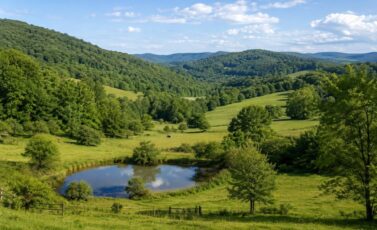
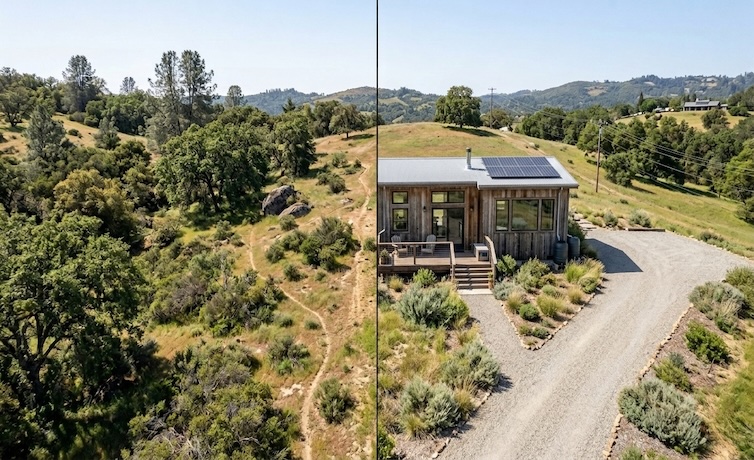
Raw land — sometimes called unimproved or undeveloped land — is property in its natural state. It hasn’t been graded, cleared, or connected to utilities. There are no roads, no water lines, no septic systems, and no structures on it.
When you buy raw land, you’re buying the ground itself and whatever natural features come with it: trees, hills, creeks, meadows, or rocky terrain. It’s a blank canvas.
Common Uses for Raw Land
Raw land appeals to buyers for a variety of reasons:
- Recreation — hunting, camping, fishing, hiking, or ATV riding
- Future building — securing a homesite now and developing it later when the budget allows
- Homesteading — growing food, raising animals, and living off the land
- Off-grid living — setting up a self-sufficient property away from municipal systems
- Investment — holding land as a long-term store of value
- Privacy — owning a retreat with no neighbors in sight
What Is Developed Land?
Developed land — sometimes called improved land — has had some level of preparation done to make it ready for use. This can range from basic improvements to fully built-out lots.
Common improvements on developed land include:
- Road access — paved or gravel roads leading to the property
- Utilities — electric, water, sewer, or gas connections at or near the property line
- Grading and clearing — the land has been leveled or cleared of trees and brush
- Surveys and platting — the lot has been formally surveyed and recorded
- Structures — in some cases, there may be existing buildings, wells, or septic systems
Key Differences Between Raw Land and Developed Land
Let’s compare the two options across the factors that matter most to land buyers.
Price
This is where raw land has a clear advantage. Because no money has been spent on improvements, raw land is almost always significantly cheaper per acre than developed land. In states like Missouri, Oklahoma, and Arkansas, raw acreage can be remarkably affordable — especially through sellers like Classic Country Land, where down payments start at just $249.
Developed land costs more because someone has already invested in infrastructure. You’re paying for the convenience of roads, utilities, and cleared building sites — and that premium can be substantial.
Financing
Here’s where things get interesting. Traditional banks are notoriously reluctant to finance raw land purchases. They see undeveloped land as higher risk because there’s no structure to serve as collateral in the traditional sense. That means buyers often face higher interest rates, larger down payments, or flat-out rejection.
Developed land is slightly easier to finance through banks, but it’s still harder than getting a mortgage on a house.
The simplest path for either type? Owner financing. Classic Country Land offers in-house financing with no credit check, no background check, and affordable monthly payments. This removes the financing barrier entirely, whether you’re buying a remote 5-acre parcel or a larger tract.
Flexibility
Raw land wins on flexibility. When you buy undeveloped property, you decide everything — where to place a structure, how to manage the terrain, what to clear, and what to leave natural. There are no pre-existing decisions locking you in.
With developed land, the improvements may or may not align with your vision. A lot that’s been graded for a house might not suit someone who wanted a wooded hunting camp. Existing utility hookups can be an advantage, but they can also mean you’re paying for infrastructure you don’t need.
Ongoing Costs
Raw land typically comes with lower carrying costs. Property taxes on undeveloped rural land are generally much lower than on improved lots or residential properties. There’s no maintenance on structures, no utility bills, and no HOA fees (in most cases).
Developed land may have higher property taxes, especially if it’s in a subdivision or near a municipality. If there are shared roads or community amenities, you might also face annual fees.
Timeline to Use
This is where developed land has the edge. If you want to build a home or cabin quickly, having utilities, road access, and a cleared building site already in place saves significant time and money on the front end.
With raw land, you’ll need to plan for development costs if you want to build. That said, many buyers purchase raw land specifically because they don’t plan to build right away — they want a recreational property, a future homesite, or a long-term investment. For those goals, the lower price of raw land is a clear win.
The Hidden Value of Raw Land
There’s a reason experienced land buyers often prefer raw acreage, even when developed lots are available. Here are some advantages that aren’t immediately obvious:
You Control the Improvements
When you develop land yourself, you choose the contractors, materials, and timeline. You aren’t paying a developer’s markup, and you can prioritize improvements based on your actual needs rather than what a developer thought would sell.
Lower Entry Point
The affordability of raw land means you can become a landowner sooner. With Classic Country Land, you can secure a property for as little as $249 down — that’s less than a monthly car payment. Once you own the land, you can improve it at your own pace.
Privacy and Space
Raw land parcels tend to be larger and more remote than developed lots. If privacy, elbow room, and a connection to nature are priorities, raw land delivers.
Investment Potential
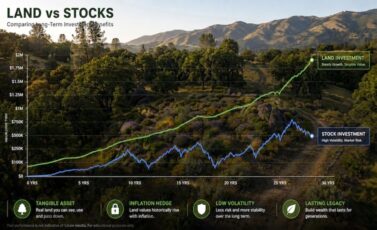
Buying raw land at a low price and holding it over time has been a straightforward wealth-building strategy for generations. As surrounding areas develop, the value of your land can increase — especially if it’s in a growing region or near expanding infrastructure.
When Does Developed Land Make More Sense?
To be fair, developed land is the better choice in some situations:
- You need to build immediately and don’t want to deal with permitting and installing utilities.
- You’re buying in a specific subdivision where lot consistency and community amenities matter to you.
- You have traditional bank financing and the lender requires improvements on the property.
- You want turnkey convenience and are willing to pay a premium for it.
If none of those apply — and especially if you’re interested in recreational use, long-term investment, homesteading, or simply owning a piece of land you can enjoy on your own terms — raw land is likely the better value.
How to Buy Raw Land With Owner Financing
Buying raw land through Classic Country Land is straightforward:
1. Browse available properties at classiccountryland.com/properties and filter by state, price, and acreage.
2. Pick a property that fits your goals and budget.
3. Secure it with a low down payment — starting at just $249.
4. Make affordable monthly payments through Classic Country Land’s in-house financing. No bank, no credit check, no hassle.
You can learn more about the full process on the How It Works page.
Ready to Find Your Perfect Piece of Land?
Whether you’re leaning toward raw acreage or still weighing your options, Classic Country Land can help. With 25+ years in the business, BBB accreditation since 2006, and properties across 13 states, they’ve helped thousands of buyers find land that fits their dreams and their budget.
Browse available properties today or give the team a call at 469-253-2616. With no credit checks, no background checks, and down payments starting at $249, there’s never been a better time to become a landowner.
Frequently Asked Questions
Is raw land a good investment?
Raw land can be an excellent long-term investment. Because it requires minimal maintenance and carries low property taxes, your holding costs are low while the land has potential to appreciate over time. It’s a tangible asset that doesn’t depreciate the way buildings or vehicles do.
Why is it so hard to get a bank loan for raw land?
Banks consider raw land riskier than improved property because there’s no structure to serve as traditional collateral, and undeveloped land can be harder to value. That’s why many buyers turn to owner financing through companies like Classic Country Land, which offers in-house financing with no credit check.
Can I develop raw land myself?
Yes. Many landowners develop their property over time, adding improvements like access roads, wells, septic systems, and structures as their budget allows. This phased approach lets you spread costs out rather than paying for everything at once.
What should I look for when buying raw land?
Key factors include legal road access, water availability, soil type (especially if you plan to install a septic system), zoning and county building regulations, and proximity to the nearest town. Classic Country Land provides detailed property information to help you evaluate each parcel.
How much does it cost to develop raw land?
Development costs vary widely depending on location, terrain, and what improvements you need. Basic access and a well might cost a few thousand dollars, while full utility connections and a building pad could run significantly more. The advantage of buying affordable raw land is that even after development costs, your total investment is often less than buying a comparable developed lot.