
10 Land Buying Mistakes to Avoid (And How to Protect Yourself)
Buying land is one of the most exciting investments you can make. Whether you’re dreaming of building a homestead, setting up a weekend retreat, or simply holding property as a long-term investment, owning a piece of land gives you something truly tangible. But land buying mistakes can turn that dream into an expensive headache if you’re not careful.
The good news? Most of these mistakes are completely avoidable when you know what to look for. At Classic Country Land, we’ve helped thousands of buyers across 13 states find the right property over the past 25+ years, and we’ve seen firsthand what trips people up. Here are the 10 most common land buying mistakes — and exactly how to avoid each one.
1. Not Researching Zoning and Land Use Restrictions
This is arguably the biggest mistake new land buyers make. You find a gorgeous five-acre parcel at a great price, you buy it, and then you discover the county won’t let you put a manufactured home on it — or that the zoning only permits agricultural use.
Every county has its own zoning regulations, and they vary widely. Before you commit to any property, contact the county planning or zoning office and ask specifically about what you’re allowed to do with the land. Can you build a house? Place a mobile home? Run a small business? Keep livestock?
How to Protect Yourself
Call the county clerk or planning department directly. Ask about zoning classifications, setback requirements, and any deed restrictions. This one phone call can save you thousands of dollars and months of frustration.
2. Skipping the Title Search
A title search reveals whether the seller actually has clear ownership of the property and whether there are any liens, unpaid taxes, or legal claims against it. Skipping this step is like buying a used car without checking if it has a clean title — you might end up inheriting someone else’s problems.
When you work with a reputable land company like Classic Country Land, the title work is handled as part of the transaction. But if you’re buying from a private seller or at auction, never skip this step.
How to Protect Yourself
Order a title search through a local title company or real estate attorney. Budget a few hundred dollars for this — it’s a small price to pay for peace of mind.
3. Ignoring Access and Road Frontage
It sounds obvious, but you’d be surprised how many people buy land without confirming they can actually get to it. Landlocked parcels — properties surrounded by other private land with no public road access — are more common than you’d think, especially in rural areas.
Even if a property has road access, consider the quality of that access. Is it a paved county road, a maintained gravel road, or a seasonal dirt path that becomes impassable during rainy months?
How to Protect Yourself
Visit the property in person if possible, or use satellite imagery to verify road access. Check with the county about road maintenance responsibilities. If the property requires an easement across someone else’s land, make sure that easement is legally recorded.
4. Not Understanding the True Cost of Ownership
The purchase price is just the beginning. Many first-time land buyers forget to account for ongoing costs like property taxes, potential HOA fees, road maintenance assessments, and insurance. If you plan to build, add utility connections, well drilling, septic installation, and site preparation to your budget.
How to Protect Yourself
Before buying, research annual property taxes through the county assessor’s website. Ask about any special assessments or fees. If you plan to build, get quotes for utility hookups and site work. A little homework upfront prevents sticker shock later. For more details on property taxes, check out our guide to property taxes on vacant land.
5. Buying Without Seeing the Property
Online listings and aerial photos can be misleading. A parcel that looks flat and clear in satellite imagery might actually have steep ravines, heavy brush, or seasonal flooding issues. Photos can be outdated by months or even years.
How to Protect Yourself
Visit the property whenever possible. If you can’t visit in person, ask the seller for recent photos and videos taken at ground level. Check FEMA flood maps. Look at the property on multiple mapping platforms — Google Earth’s historical imagery feature is especially useful for seeing how the land changes across seasons.
6. Overlooking Utility Availability
If you plan to build on your land eventually, utility access is crucial. Running electricity, water, or sewer lines to a remote property can cost tens of thousands of dollars, depending on the distance from existing infrastructure.
Not all properties need traditional utilities, though. Many buyers in states like New Mexico, Arizona, and Colorado plan for off-grid setups with solar power, well water, and septic systems. The key is knowing what you’re getting into before you buy.
How to Protect Yourself
Contact local utility providers to ask about connection costs and availability. Factor these expenses into your overall budget. Our guide on how to get utilities to raw land covers this topic in detail.
7. Not Getting a Survey Done
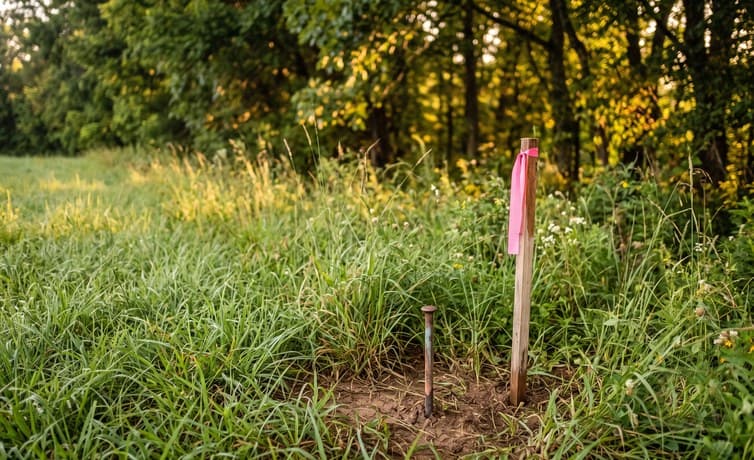
Property boundaries on paper don’t always match what you see on the ground. Fences, trees, and natural features can be misleading. Without a proper survey, you might build a fence, install a driveway, or plant trees on land that doesn’t actually belong to you.
How to Protect Yourself
Hire a licensed surveyor to mark the exact boundaries of your property. This typically costs between $300 and $800 depending on the size and terrain, but it eliminates any boundary disputes down the road.
8. Assuming You Can’t Afford Land
This is more of a mental mistake, but it stops a lot of would-be landowners before they even start. Many people assume they need perfect credit, a large down payment, or bank approval to buy land. Traditional lenders can be strict about raw land loans, which reinforces this belief.
But owner financing changes everything. At Classic Country Land, we offer in-house financing with no credit checks and no background checks. Down payments start at just $249, and monthly payments are designed to be affordable. You don’t need a bank’s permission to start building your future.
How to Protect Yourself
Don’t let assumptions about financing stop you from exploring your options. Browse our available properties to see what’s within reach — you might be surprised at how affordable land ownership can be.
9. Rushing the Decision
Land is a significant purchase, and it’s not one you should make impulsively just because the price seems right. A “great deal” that turns out to have access issues, environmental concerns, or zoning restrictions isn’t a deal at all.
How to Protect Yourself
Take your time. Do your research. Ask questions — lots of them. A good land seller will be happy to answer your questions and give you the information you need to make a confident decision. At Classic Country Land, we encourage buyers to do their due diligence, and our team is always available to help at 972-649-6200.
10. Not Working With an Experienced Land Seller
Buying from a random listing on Craigslist or a fly-by-night operation introduces unnecessary risk. Established land companies have a reputation to protect, systems in place to handle transactions properly, and experience to help you through the process.
How to Protect Yourself
Work with a company that has a proven track record. Classic Country Land has been in business for over 25 years and has been BBB accredited since 2006. That kind of longevity doesn’t happen without doing right by customers.
The Bottom Line: Knowledge Is Your Best Protection
Every one of these mistakes has the same root cause — not having enough information before making a decision. The more you learn about a property, the area, and the buying process, the better your outcome will be.
Land ownership is within reach for more people than most realize, especially when you have an experienced partner guiding you through the process. Whether you’re looking for affordable acreage in Arkansas, Texas, Oklahoma, or any of our 13 states, Classic Country Land makes the process simple, affordable, and transparent.
Ready to find your perfect piece of land? Browse our current properties or call us at 972-649-6200 to talk with our team. With $999 down and no credit check required, there’s nothing stopping you from getting started today.
Frequently Asked Questions
What is the biggest mistake people make when buying land?
The most common and costly mistake is not researching zoning and land use restrictions before purchasing. Many buyers discover after closing that they can’t use the property for their intended purpose — whether that’s building a home, placing a mobile home, or keeping animals. Always check with the county planning office before committing to a purchase.
Do I need a survey before buying vacant land?
While not legally required in most states, a survey is strongly recommended. A licensed surveyor will mark exact property boundaries, which prevents future disputes with neighbors and ensures you know exactly what you’re buying. Surveys typically cost between $300 and $800.
Can I buy land with bad credit?
Yes. Traditional banks may deny raw land loans to buyers with less-than-perfect credit, but owner financing offers an alternative. Classic Country Land provides in-house financing with no credit checks, no background checks, and down payments starting at $249.
How do I check if land is landlocked?
Review the property’s plat map and look for road frontage on a public road. You can also use satellite imagery tools like Google Earth to visually confirm access. If the property is landlocked, check whether a legal easement exists that grants access across neighboring land. When in doubt, contact the county recorder’s office.
Should I visit land before buying it?
Visiting the property is always recommended when possible. Photos and satellite imagery can’t show you everything — terrain, drainage, road conditions, and surrounding land use are best evaluated in person. If you can’t visit, request recent ground-level photos and videos from the seller, and research the area thoroughly using online mapping tools.
Buying land is one of the most exciting investments you can make. Whether you’re dreaming of building a homestead, setting up a weekend retreat, or simply holding property as a long-term investment, owning a piece of land gives you something truly tangible. But land buying mistakes can turn that dream into an expensive headache if you’re not careful.
The good news? Most of these mistakes are completely avoidable when you know what to look for. At Legacy Land, we’ve helped thousands of buyers across 13 states find the right property over the past 25+ years, and we’ve seen firsthand what trips people up. Here are the 10 most common land buying mistakes — and exactly how to avoid each one.
1. Not Researching Zoning and Land Use Restrictions
This is arguably the biggest mistake new land buyers make. You find a gorgeous five-acre parcel at a great price, you buy it, and then you discover the county won’t let you put a manufactured home on it — or that the zoning only permits agricultural use.
Every county has its own zoning regulations, and they vary widely. Before you commit to any property, contact the county planning or zoning office and ask specifically about what you’re allowed to do with the land. Can you build a house? Place a mobile home? Run a small business? Keep livestock?
How to Protect Yourself
Call the county clerk or planning department directly. Ask about zoning classifications, setback requirements, and any deed restrictions. This one phone call can save you thousands of dollars and months of frustration.
2. Skipping the Title Search
A title search reveals whether the seller actually has clear ownership of the property and whether there are any liens, unpaid taxes, or legal claims against it. Skipping this step is like buying a used car without checking if it has a clean title — you might end up inheriting someone else’s problems.
When you work with a reputable land company like Legacy Land, the title work is handled as part of the transaction. But if you’re buying from a private seller or at auction, never skip this step.
How to Protect Yourself
Order a title search through a local title company or real estate attorney. Budget a few hundred dollars for this — it’s a small price to pay for peace of mind.
3. Ignoring Access and Road Frontage
It sounds obvious, but you’d be surprised how many people buy land without confirming they can actually get to it. Landlocked parcels — properties surrounded by other private land with no public road access — are more common than you’d think, especially in rural areas.
Even if a property has road access, consider the quality of that access. Is it a paved county road, a maintained gravel road, or a seasonal dirt path that becomes impassable during rainy months?
How to Protect Yourself
Visit the property in person if possible, or use satellite imagery to verify road access. Check with the county about road maintenance responsibilities. If the property requires an easement across someone else’s land, make sure that easement is legally recorded.
4. Not Understanding the True Cost of Ownership
The purchase price is just the beginning. Many first-time land buyers forget to account for ongoing costs like property taxes, potential HOA fees, road maintenance assessments, and insurance. If you plan to build, add utility connections, well drilling, septic installation, and site preparation to your budget.
How to Protect Yourself
Before buying, research annual property taxes through the county assessor’s website. Ask about any special assessments or fees. If you plan to build, get quotes for utility hookups and site work. A little homework upfront prevents sticker shock later. For more details on property taxes, check out our guide to property taxes on vacant land.
5. Buying Without Seeing the Property
Online listings and aerial photos can be misleading. A parcel that looks flat and clear in satellite imagery might actually have steep ravines, heavy brush, or seasonal flooding issues. Photos can be outdated by months or even years.
How to Protect Yourself
Visit the property whenever possible. If you can’t visit in person, ask the seller for recent photos and videos taken at ground level. Check FEMA flood maps. Look at the property on multiple mapping platforms — Google Earth’s historical imagery feature is especially useful for seeing how the land changes across seasons.
6. Overlooking Utility Availability
If you plan to build on your land eventually, utility access is crucial. Running electricity, water, or sewer lines to a remote property can cost tens of thousands of dollars, depending on the distance from existing infrastructure.
Not all properties need traditional utilities, though. Many buyers in states like New Mexico, Arizona, and Colorado plan for off-grid setups with solar power, well water, and septic systems. The key is knowing what you’re getting into before you buy.
How to Protect Yourself
Contact local utility providers to ask about connection costs and availability. Factor these expenses into your overall budget. Our guide on how to get utilities to raw land covers this topic in detail.
7. Not Getting a Survey Done
Property boundaries on paper don’t always match what you see on the ground. Fences, trees, and natural features can be misleading. Without a proper survey, you might build a fence, install a driveway, or plant trees on land that doesn’t actually belong to you.
How to Protect Yourself
Hire a licensed surveyor to mark the exact boundaries of your property. This typically costs between $300 and $800 depending on the size and terrain, but it eliminates any boundary disputes down the road.
8. Assuming You Can’t Afford Land
This is more of a mental mistake, but it stops a lot of would-be landowners before they even start. Many people assume they need perfect credit, a large down payment, or bank approval to buy land. Traditional lenders can be strict about raw land loans, which reinforces this belief.
But owner financing changes everything. At Legacy Land, we offer in-house financing with no credit checks and no background checks. Down payments start at just $249, and monthly payments are designed to be affordable. You don’t need a bank’s permission to start building your future.
How to Protect Yourself
Don’t let assumptions about financing stop you from exploring your options. Browse our available properties to see what’s within reach — you might be surprised at how affordable land ownership can be.
9. Rushing the Decision
Land is a significant purchase, and it’s not one you should make impulsively just because the price seems right. A “great deal” that turns out to have access issues, environmental concerns, or zoning restrictions isn’t a deal at all.
How to Protect Yourself
Take your time. Do your research. Ask questions — lots of them. A good land seller will be happy to answer your questions and give you the information you need to make a confident decision. At Legacy Land, we encourage buyers to do their due diligence, and our team is always available to help at 972-649-6200.
10. Not Working With an Experienced Land Seller
Buying from a random listing on Craigslist or a fly-by-night operation introduces unnecessary risk. Established land companies have a reputation to protect, systems in place to handle transactions properly, and experience to help you through the process.
How to Protect Yourself
Work with a company that has a proven track record. Legacy Land has been in business for over 25 years and has been BBB accredited since 2006. That kind of longevity doesn’t happen without doing right by customers.
The Bottom Line: Knowledge Is Your Best Protection
Every one of these mistakes has the same root cause — not having enough information before making a decision. The more you learn about a property, the area, and the buying process, the better your outcome will be.
Land ownership is within reach for more people than most realize, especially when you have an experienced partner guiding you through the process. Whether you’re looking for affordable acreage in Arkansas, Texas, Oklahoma, or any of our 13 states, Legacy Land makes the process simple, affordable, and transparent.
Ready to find your perfect piece of land? Browse our current properties or call us at 972-649-6200 to talk with our team. With $999 down and no credit check required, there’s nothing stopping you from getting started today.
Frequently Asked Questions
What is the biggest mistake people make when buying land?
The most common and costly mistake is not researching zoning and land use restrictions before purchasing. Many buyers discover after closing that they can’t use the property for their intended purpose — whether that’s building a home, placing a mobile home, or keeping animals. Always check with the county planning office before committing to a purchase.
Do I need a survey before buying vacant land?
While not legally required in most states, a survey is strongly recommended. A licensed surveyor will mark exact property boundaries, which prevents future disputes with neighbors and ensures you know exactly what you’re buying. Surveys typically cost between $300 and $800.
Can I buy land with bad credit?
Yes. Traditional banks may deny raw land loans to buyers with less-than-perfect credit, but owner financing offers an alternative. Legacy Land provides in-house financing with no credit checks, no background checks, and down payments starting at $249.
How do I check if land is landlocked?
Review the property’s plat map and look for road frontage on a public road. You can also use satellite imagery tools like Google Earth to visually confirm access. If the property is landlocked, check whether a legal easement exists that grants access across neighboring land. When in doubt, contact the county recorder’s office.
Should I visit land before buying it?
Visiting the property is always recommended when possible. Photos and satellite imagery can’t show you everything — terrain, drainage, road conditions, and surrounding land use are best evaluated in person. If you can’t visit, request recent ground-level photos and videos from the seller, and research the area thoroughly using online mapping tools.