
Land for Camping and RVs: Your Own Getaway Spot
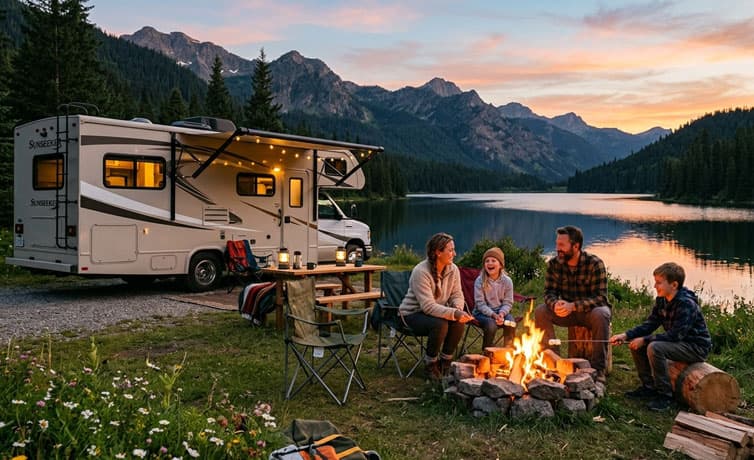
Imagine pulling up to your own private piece of land, unhooking your RV or pitching your tent, and settling in for the weekend — no campground fees, no fighting for reservations, no neighbors three feet away. Owning land for camping and RVs is one of the most practical and enjoyable ways to use rural acreage, and it’s more affordable than most people think.
At Classic Country Land, we sell affordable rural land across 23 states with owner financing, no credit checks, and down payments starting at just $249. Many of our buyers start with exactly this dream — their own spot to camp, park their RV, and enjoy the outdoors on their own terms.
Why Buy Your Own Camping or RV Land?
If you already love camping or RVing, you’ve probably run into the frustrations of public campgrounds and private RV parks: crowded sites, noisy neighbors, rising fees, and the stress of booking months in advance — especially during peak season.
Owning your own land solves all of that.
No More Campground Fees
The average RV park charges $35 to $75 per night, with premium sites running well over $100. If you camp even a dozen weekends per year, that’s easily $1,000 to $2,500 annually — just for a spot to park. When you own your land, those fees disappear. Your monthly land payment through Classic Country Land can be less than what you’d spend on a single weekend at a campground.
Camp Whenever You Want
No availability issues. No blackout dates. No check-in times. Your land is always there waiting for you. Head out on a Wednesday afternoon or stay for two weeks straight. It’s your property, your schedule.
Customize Your Setup
When you own the land, you can set it up exactly how you want it. Grade a level pad for your RV, build a fire pit, clear a spot for a picnic table, install a storage shed, or eventually add a small cabin. Over time, you create a personalized getaway that’s uniquely yours.
Privacy and Peace
One of the biggest draws of owning your own recreational land is the privacy. No assigned spots. No strangers walking through your campsite. Just you, your family, and the great outdoors.
What to Look for in Camping and RV Land
Not every parcel is equally suited for camping and RV use. Here’s what to keep in mind as you shop.
Access for Your RV
This is the number one consideration for RV owners. Make sure the property has road access that can handle your rig. Look for properties on maintained county roads or graded gravel roads. Steep, narrow, or unmaintained paths can make getting a trailer or motorhome in and out difficult — or impossible.
At Classic Country Land, we provide access details for our properties so you can evaluate whether the roads work for your vehicle.
Level Ground
You’ll want at least a portion of the property that’s relatively flat for parking your RV or setting up camp. Completely flat land isn’t necessary — even gently rolling terrain works fine — but a steep, heavily wooded lot may require grading work before you can comfortably use it.
County Regulations on RVs
This varies significantly by county and state. In many of the rural counties where Classic Country Land sells property — across states like Oklahoma, Arkansas, Missouri, and Texas — there are few or no restrictions on parking an RV on your own land for recreational use.
However, some counties distinguish between occasional recreational use and full-time RV living. If you plan to live in your RV on the property, check the local rules. A quick call to the county planning office is all it takes.
Water Options
Having water available makes camping much more enjoyable. Some options to consider:
Hauling water is the simplest approach for weekend use. Bring what you need in your RV’s freshwater tank or in portable containers.
Drilling a well is a longer-term investment but gives you a permanent water supply. Well costs vary by region but are often quite reasonable in rural areas.
Natural water sources like creeks or springs are a bonus for aesthetics and recreation, though they may not be suitable for drinking without treatment.
Rainwater collection can supplement your water supply in many states.
Shade and Scenery
Think about the experience you want. Wooded land offers shade, privacy, and a true wilderness feel. Open land gives you big sky views and easy setup. Many of our properties in states like Colorado, New Mexico, and Wyoming offer stunning open landscapes, while our properties in Tennessee, Kentucky, and Arkansas are often beautifully wooded.
Setting Up Your Land for Camping and RV Use
Once you own your property, here’s how to turn it into a great camping spot — starting simple and building up over time.
Start With the Basics
Your first visit can be as simple as pulling up and parking. Many of our buyers do exactly this. Clear a spot, set up camp, and enjoy. You don’t need to invest thousands of dollars before your first trip.
Build an RV Pad
For a more permanent setup, consider grading a level pad with gravel or crushed stone. This gives your RV a stable, well-drained surface and prevents getting stuck in muddy conditions. A basic gravel pad can often be created for a few hundred dollars if you hire a local operator with a small tractor.
Add a Fire Ring and Gathering Area
A simple fire ring made from stones or a metal fire pit turns your land into a real campsite. Add a few chairs, a picnic table, and maybe a hammock between two trees, and you’ve got a setup that rivals any paid campground.
Consider a Storage Shed
A small shed or cargo container can store firewood, camp chairs, cooking gear, and tools so you don’t have to haul everything back and forth. This one improvement can make your camping trips significantly more convenient.
Upgrade Over Time
The beauty of owning your land is that you can improve it at your own pace and budget. Some popular upgrades our buyers make over time:
A composting or portable toilet setup for convenience. Solar panels or a small generator for power. A covered pavilion or lean-to for shade and rain protection. A small cabin or tiny house for when tent camping loses its appeal. Trails, clearings, or food plots if you also use the land for hunting.
Best States for Camping and RV Land
Classic Country Land sells property across 13 states, and many of them are excellent for camping and RV use. Here are a few standouts:
Texas
Big skies, warm weather for most of the year, and generally relaxed county regulations make Texas one of our most popular states for RV and camping land. West Texas offers desert landscapes and stargazing, while East Texas has pine forests and rolling hills.
Oklahoma
Oklahoma is incredibly affordable, with many rural counties that have minimal restrictions on RV use. The terrain ranges from wooded hills in the east to open prairie in the west, and the state offers excellent fishing and hunting.
Arizona
For winter camping and snowbird RV use, Arizona is hard to beat. The desert landscape is stunning, temperatures are mild in winter, and land prices are very reasonable in many areas.
Tennessee and Kentucky
If you love green, wooded landscapes with streams and wildlife, the southeastern states are ideal. Tennessee and Kentucky offer lush hardwood forests, moderate summers, and some of the most beautiful camping scenery in the country.
How to Finance Your Camping Land
Here’s where Classic Country Land really stands apart. We know that most people buying recreational land aren’t looking to take out a massive bank loan — and most banks won’t finance raw land anyway.
Our owner financing is designed specifically for situations like this:
- $999 down — that’s it to get started
- No credit check — we don’t pull your credit
- No background check — none required
- Affordable monthly payments — often less than what you’d spend on campground fees
- 25+ years of experience — we’ve been doing this since the late 1990s
- BBB accredited since 2006 — your purchase is backed by a company you can trust
Check out our How It Works page to see just how simple the process is.
Making the Most of Your Investment
Buying camping and RV land isn’t just about recreation — it’s also a smart financial move. Land is a tangible asset that doesn’t depreciate like a vehicle or lose value overnight like stocks can. While you’re enjoying weekends on your property, you’re also building equity in something real.
And if your plans change down the road, land with improvements like an RV pad, cleared campsites, or a small cabin typically sells for more than raw acreage. Every improvement you make adds value.
Ready to Find Your Perfect Camping Spot?
Stop paying campground fees for someone else’s land. Own your own piece of the outdoors, set it up your way, and enjoy it whenever you want.
Classic Country Land has affordable rural acreage across 13 states with owner financing, no credit checks, and down payments starting at just $249. Browse our available properties to find the right spot for your next adventure, or call us at 972-649-6200 to talk with our team.
Your private getaway is closer — and more affordable — than you think.
Frequently Asked Questions
Can I park an RV on my own land?
In most rural counties where Classic Country Land sells property, yes. Regulations vary by county, so it’s a good idea to check with the local planning office, but many rural areas have few or no restrictions on parking an RV on your own property for recreational use.
How much does it cost to buy camping land?
Prices depend on location, size, and features. Classic Country Land offers affordable rural acreage with down payments starting at $249 and low monthly payments through owner financing. Your total monthly cost can be less than a couple nights at a campground.
Do I need electricity on my land to camp or use an RV?
No. Many RV owners are fully self-contained with onboard generators, solar panels, and battery banks. For tent camping, electricity isn’t needed at all. You can always add power later if you decide you want it.
What’s the best size parcel for camping and RV use?
Even a single acre can work well for a private campsite or RV pad. Two to five acres gives you more room for multiple setups, trails, and buffer space from neighbors. Larger parcels of 10+ acres are ideal if you also want to hunt, hike, or have maximum privacy.
Can I eventually build a cabin on my camping land?
In most cases, yes. Many rural counties allow you to build structures on your property with minimal permitting. Starting with camping and adding a cabin later is one of the most popular approaches our buyers take — it lets you enjoy the land right away while planning your build.
Imagine pulling up to your own private piece of land, unhooking your RV or pitching your tent, and settling in for the weekend — no campground fees, no fighting for reservations, no neighbors three feet away. Owning land for camping and RVs is one of the most practical and enjoyable ways to use rural acreage, and it’s more affordable than most people think.
At Legacy Land, we sell affordable rural land across 23 states with owner financing, no credit checks, and down payments starting at just $249. Many of our buyers start with exactly this dream — their own spot to camp, park their RV, and enjoy the outdoors on their own terms.
Why Buy Your Own Camping or RV Land?
If you already love camping or RVing, you’ve probably run into the frustrations of public campgrounds and private RV parks: crowded sites, noisy neighbors, rising fees, and the stress of booking months in advance — especially during peak season.
Owning your own land solves all of that.
No More Campground Fees
The average RV park charges $35 to $75 per night, with premium sites running well over $100. If you camp even a dozen weekends per year, that’s easily $1,000 to $2,500 annually — just for a spot to park. When you own your land, those fees disappear. Your monthly land payment through Legacy Land can be less than what you’d spend on a single weekend at a campground.
Camp Whenever You Want
No availability issues. No blackout dates. No check-in times. Your land is always there waiting for you. Head out on a Wednesday afternoon or stay for two weeks straight. It’s your property, your schedule.
Customize Your Setup
When you own the land, you can set it up exactly how you want it. Grade a level pad for your RV, build a fire pit, clear a spot for a picnic table, install a storage shed, or eventually add a small cabin. Over time, you create a personalized getaway that’s uniquely yours.
Privacy and Peace
One of the biggest draws of owning your own recreational land is the privacy. No assigned spots. No strangers walking through your campsite. Just you, your family, and the great outdoors.
What to Look for in Camping and RV Land
Not every parcel is equally suited for camping and RV use. Here’s what to keep in mind as you shop.
Access for Your RV
This is the number one consideration for RV owners. Make sure the property has road access that can handle your rig. Look for properties on maintained county roads or graded gravel roads. Steep, narrow, or unmaintained paths can make getting a trailer or motorhome in and out difficult — or impossible.
At Legacy Land, we provide access details for our properties so you can evaluate whether the roads work for your vehicle.
Level Ground
You’ll want at least a portion of the property that’s relatively flat for parking your RV or setting up camp. Completely flat land isn’t necessary — even gently rolling terrain works fine — but a steep, heavily wooded lot may require grading work before you can comfortably use it.
County Regulations on RVs
This varies significantly by county and state. In many of the rural counties where Legacy Land sells property — across states like Oklahoma, Arkansas, Missouri, and Texas — there are few or no restrictions on parking an RV on your own land for recreational use.
However, some counties distinguish between occasional recreational use and full-time RV living. If you plan to live in your RV on the property, check the local rules. A quick call to the county planning office is all it takes.
Water Options
Having water available makes camping much more enjoyable. Some options to consider:
Hauling water is the simplest approach for weekend use. Bring what you need in your RV’s freshwater tank or in portable containers.
Drilling a well is a longer-term investment but gives you a permanent water supply. Well costs vary by region but are often quite reasonable in rural areas.
Natural water sources like creeks or springs are a bonus for aesthetics and recreation, though they may not be suitable for drinking without treatment.
Rainwater collection can supplement your water supply in many states.
Shade and Scenery
Think about the experience you want. Wooded land offers shade, privacy, and a true wilderness feel. Open land gives you big sky views and easy setup. Many of our properties in states like Colorado, New Mexico, and Wyoming offer stunning open landscapes, while our properties in Tennessee, Kentucky, and Arkansas are often beautifully wooded.
Setting Up Your Land for Camping and RV Use
Once you own your property, here’s how to turn it into a great camping spot — starting simple and building up over time.
Start With the Basics
Your first visit can be as simple as pulling up and parking. Many of our buyers do exactly this. Clear a spot, set up camp, and enjoy. You don’t need to invest thousands of dollars before your first trip.
Build an RV Pad
For a more permanent setup, consider grading a level pad with gravel or crushed stone. This gives your RV a stable, well-drained surface and prevents getting stuck in muddy conditions. A basic gravel pad can often be created for a few hundred dollars if you hire a local operator with a small tractor.
Add a Fire Ring and Gathering Area
A simple fire ring made from stones or a metal fire pit turns your land into a real campsite. Add a few chairs, a picnic table, and maybe a hammock between two trees, and you’ve got a setup that rivals any paid campground.
Consider a Storage Shed
A small shed or cargo container can store firewood, camp chairs, cooking gear, and tools so you don’t have to haul everything back and forth. This one improvement can make your camping trips significantly more convenient.
Upgrade Over Time
The beauty of owning your land is that you can improve it at your own pace and budget. Some popular upgrades our buyers make over time:
A composting or portable toilet setup for convenience. Solar panels or a small generator for power. A covered pavilion or lean-to for shade and rain protection. A small cabin or tiny house for when tent camping loses its appeal. Trails, clearings, or food plots if you also use the land for hunting.
Best States for Camping and RV Land
Legacy Land sells property across 13 states, and many of them are excellent for camping and RV use. Here are a few standouts:
Texas
Big skies, warm weather for most of the year, and generally relaxed county regulations make Texas one of our most popular states for RV and camping land. West Texas offers desert landscapes and stargazing, while East Texas has pine forests and rolling hills.
Oklahoma
Oklahoma is incredibly affordable, with many rural counties that have minimal restrictions on RV use. The terrain ranges from wooded hills in the east to open prairie in the west, and the state offers excellent fishing and hunting.
Arizona
For winter camping and snowbird RV use, Arizona is hard to beat. The desert landscape is stunning, temperatures are mild in winter, and land prices are very reasonable in many areas.
Tennessee and Kentucky
If you love green, wooded landscapes with streams and wildlife, the southeastern states are ideal. Tennessee and Kentucky offer lush hardwood forests, moderate summers, and some of the most beautiful camping scenery in the country.
How to Finance Your Camping Land
Here’s where Legacy Land really stands apart. We know that most people buying recreational land aren’t looking to take out a massive bank loan — and most banks won’t finance raw land anyway.
Our owner financing is designed specifically for situations like this:
- $999 down — that’s it to get started
- No credit check — we don’t pull your credit
- No background check — none required
- Affordable monthly payments — often less than what you’d spend on campground fees
- 25+ years of experience — we’ve been doing this since the late 1990s
- BBB accredited since 2006 — your purchase is backed by a company you can trust
Check out our How It Works page to see just how simple the process is.
Making the Most of Your Investment
Buying camping and RV land isn’t just about recreation — it’s also a smart financial move. Land is a tangible asset that doesn’t depreciate like a vehicle or lose value overnight like stocks can. While you’re enjoying weekends on your property, you’re also building equity in something real.
And if your plans change down the road, land with improvements like an RV pad, cleared campsites, or a small cabin typically sells for more than raw acreage. Every improvement you make adds value.
Ready to Find Your Perfect Camping Spot?
Stop paying campground fees for someone else’s land. Own your own piece of the outdoors, set it up your way, and enjoy it whenever you want.
Legacy Land has affordable rural acreage across 13 states with owner financing, no credit checks, and down payments starting at just $249. Browse our available properties to find the right spot for your next adventure, or call us at 972-649-6200 to talk with our team.
Your private getaway is closer — and more affordable — than you think.
Frequently Asked Questions
Can I park an RV on my own land?
In most rural counties where Legacy Land sells property, yes. Regulations vary by county, so it’s a good idea to check with the local planning office, but many rural areas have few or no restrictions on parking an RV on your own property for recreational use.
How much does it cost to buy camping land?
Prices depend on location, size, and features. Legacy Land offers affordable rural acreage with down payments starting at $249 and low monthly payments through owner financing. Your total monthly cost can be less than a couple nights at a campground.
Do I need electricity on my land to camp or use an RV?
No. Many RV owners are fully self-contained with onboard generators, solar panels, and battery banks. For tent camping, electricity isn’t needed at all. You can always add power later if you decide you want it.
What’s the best size parcel for camping and RV use?
Even a single acre can work well for a private campsite or RV pad. Two to five acres gives you more room for multiple setups, trails, and buffer space from neighbors. Larger parcels of 10+ acres are ideal if you also want to hunt, hike, or have maximum privacy.
Can I eventually build a cabin on my camping land?
In most cases, yes. Many rural counties allow you to build structures on your property with minimal permitting. Starting with camping and adding a cabin later is one of the most popular approaches our buyers take — it lets you enjoy the land right away while planning your build.