
Choosing Hunting Land: Cover, Water, and Access
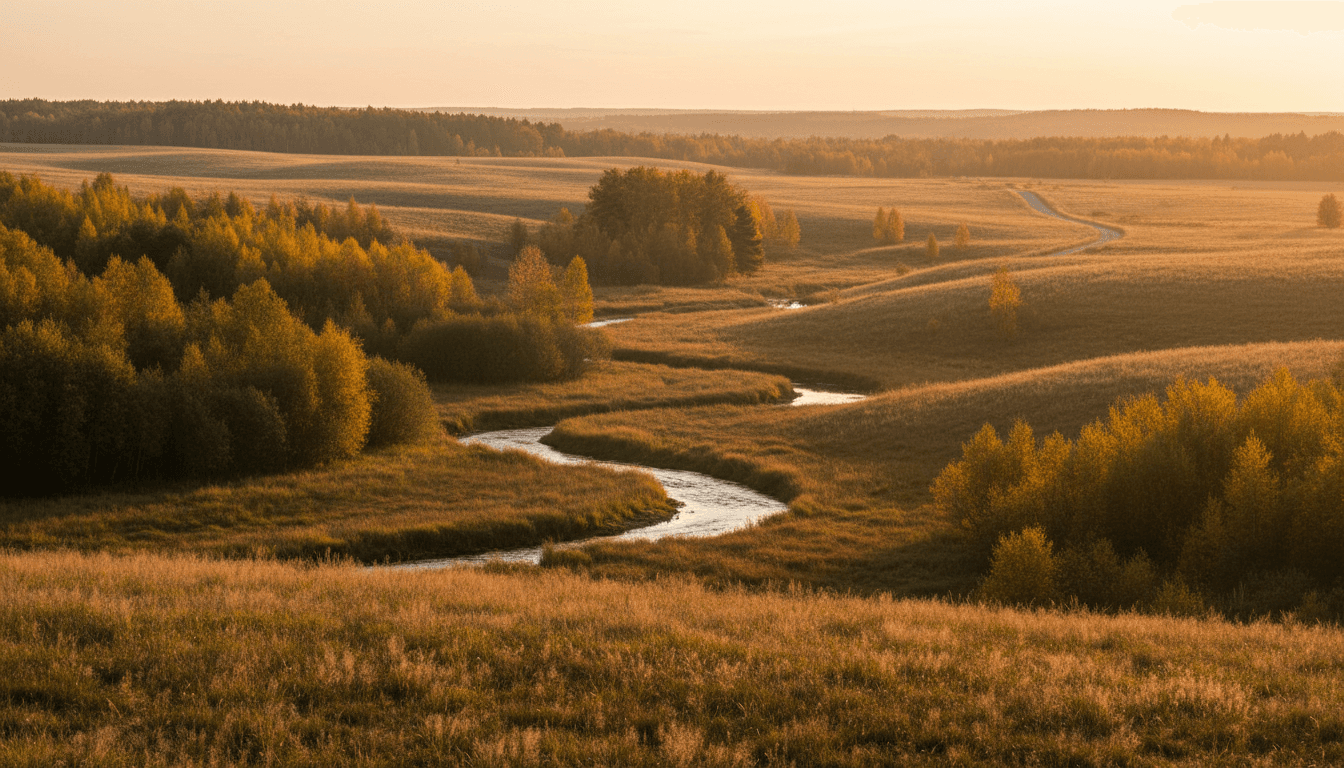
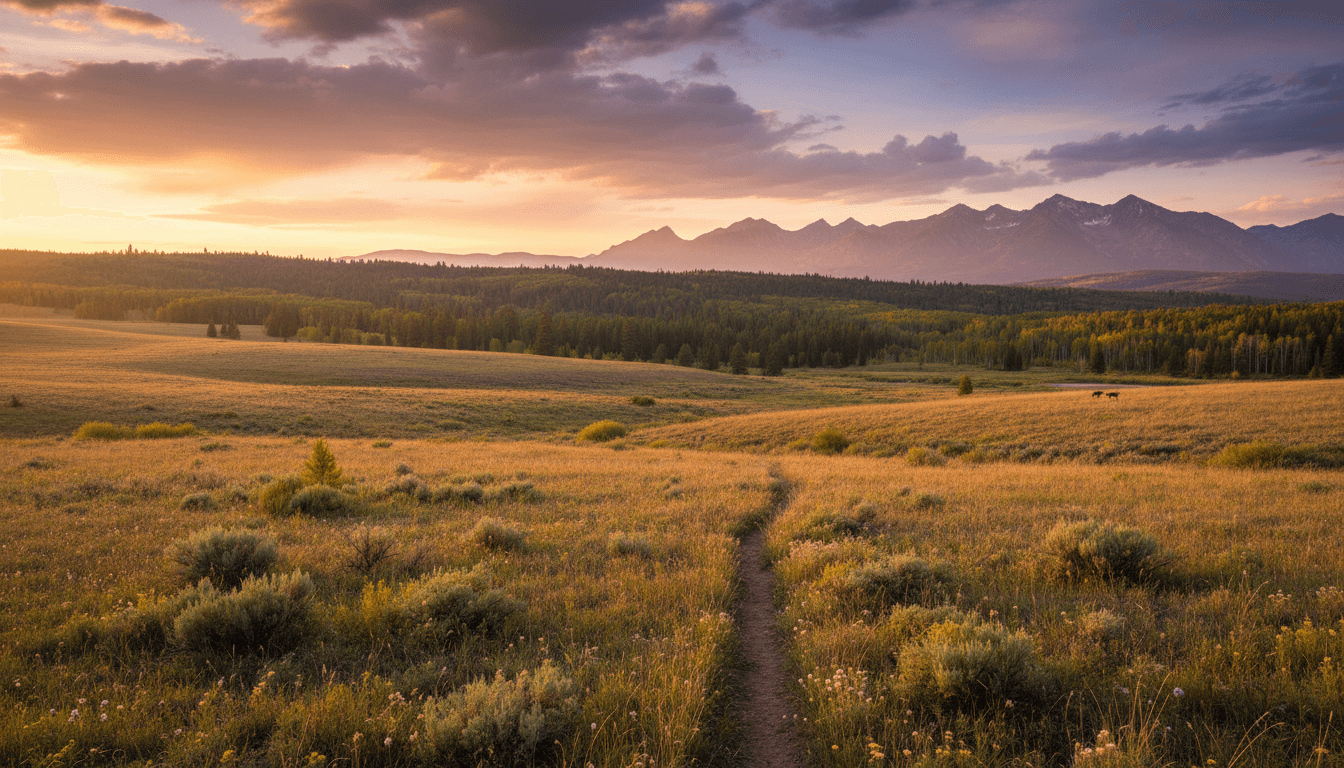
Good hunting land is more than a patch of woods. The useful questions are how wildlife moves through the property, where it finds cover, and whether you can reach the places you want to use. An open area may offer visibility, while thick timber may provide bedding cover. Neither feature tells the whole story without a closer look at the surrounding ground.
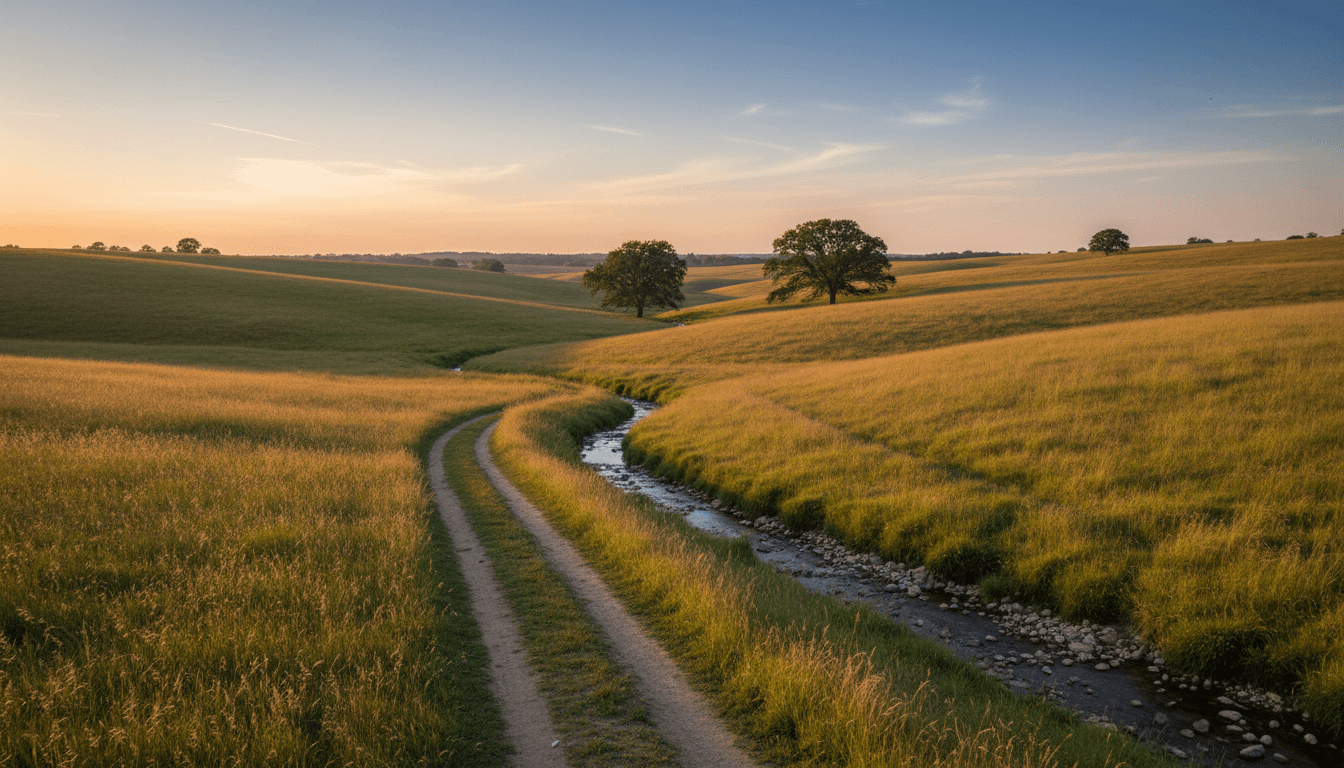
We think a buyer should look beyond a listing description before deciding whether a parcel fits. A creek or pond can be appealing, but water levels may change with the season. A road shown on a map deserves a look on the ground, especially if you expect to visit after heavy rain. Steep slopes, low spots, and dense growth can also change how practical it is to carry gear or move around the property.
It helps to begin with how you actually hunt. Someone looking for a quiet place to walk may weigh terrain differently from someone who wants room to set up and stay put. Comparing those needs with the land’s cover, water, and access makes for a more useful decision than judging a parcel by its appearance alone.
Questions Real Buyers Ask Us
Can I use the land, camp on it, or start building while I'm still making payments?
Yes — you may use and improve your property from the day you sign the purchase contract; paying the balance in full first isn't required. There are no time limits to build unless a listing states otherwise. Camping, RV stays, and dwelling types are governed by the recorded restrictions on that tract and by county rules.
Is the land unrestricted — what covenants come with it?
Classic Country Land properties carry minimal, light covenants — restrictions on things like junk vehicle and garbage accumulation. Their purpose is protecting your investment from a neighbor devaluing the land next to yours. What they do not do is stop you using the land: camping, hunting, building, tiny homes and off-grid setups are all on the table, and there is no HOA. County zoning and building rules still apply and are set locally — confirm them with the county before buying.
Does the property have water, power, and septic — will I need a well or a perc test?
Utility status varies by tract and is listed on each property page. Many of our tracts are undeveloped land where a buyer drills a well and installs a septic system, or goes off-grid. Connection costs, septic permits, perc-test requirements, and well setback rules are set locally — confirm them with the county and the utility provider before buying.
What Makes a Hunting Parcel Practical
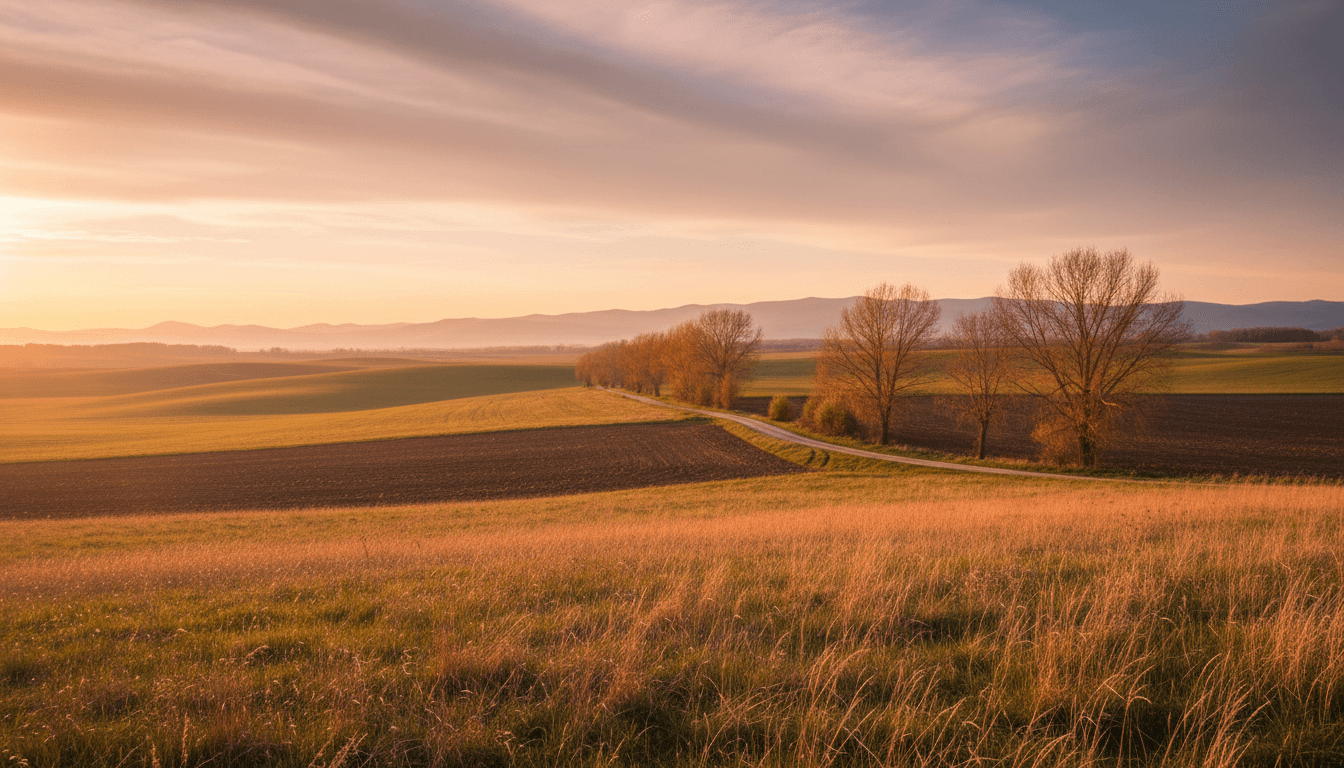
A parcel does not need every feature to be worth considering. What matters is whether its strengths suit the way you plan to use it and whether its harder parts are manageable. Timber can offer cover while limiting sightlines. Open ground can make movement easier while offering less concealment. Seasonal changes may alter both.
A Ground-Level Checklist
- Look at where cover meets more open ground and whether those areas are reachable without crossing difficult terrain.
- Consider water as a changing feature, not just a mark on a map.
- Check the road approach and the path you would take across the property in wet as well as dry conditions.
- Think about where you would carry equipment, pause, and move quietly.
The right fit still depends on a buyer’s intended use. A careful look at habitat, access, and seasonal conditions gives a clearer picture of what a hunting parcel can offer and what effort it may take to use.
Buying Land With Classic Country Land
For more than 25 years we have owned the land we sell and financed it ourselves. That means in-house owner financing with no credit check and no background check, land in 14 states, and payments that start with as little as $999 down.
Browse what we have at classiccountryland.com, or call us at 972-649-6200 and we will talk it through.
What you pay upfront: $999 down, plus a one-time $249 document fee at closing.
Financing disclosure: A monthly payment listed with a featured tract is the lowest-payment plan for that tract, stated with the down payment, APR, and term of that same plan. Basic financing is $999 down at 10.99% APR, and every plan is amortized over terms up to 20 years; some contracts include a balloon payment, typically due after three years, when the remaining balance is refinanced or paid. Rates, discounts, and terms are subject to adjustment without notice.
See more: 10 Acres of Land for Sale — Room to Live Off the Land
Good hunting land is more than a patch of woods. The useful questions are how wildlife moves through the property, where it finds cover, and whether you can reach the places you want to use. An open area may offer visibility, while thick timber may provide bedding cover. Neither feature tells the whole story without a closer look at the surrounding ground.
We think a buyer should look beyond a listing description before deciding whether a parcel fits. A creek or pond can be appealing, but water levels may change with the season. A road shown on a map deserves a look on the ground, especially if you expect to visit after heavy rain. Steep slopes, low spots, and dense growth can also change how practical it is to carry gear or move around the property.
It helps to begin with how you actually hunt. Someone looking for a quiet place to walk may weigh terrain differently from someone who wants room to set up and stay put. Comparing those needs with the land’s cover, water, and access makes for a more useful decision than judging a parcel by its appearance alone.
Questions Real Buyers Ask Us
Can I use the land, camp on it, or start building while I'm still making payments?
Yes — you may use and improve your property from the day you sign the purchase contract; paying the balance in full first isn't required. There are no time limits to build unless a listing states otherwise. Camping, RV stays, and dwelling types are governed by the recorded restrictions on that tract and by county rules.
Is the land unrestricted — what covenants come with it?
Legacy Land properties carry minimal, light covenants — restrictions on things like junk vehicle and garbage accumulation. Their purpose is protecting your investment from a neighbor devaluing the land next to yours. What they do not do is stop you using the land: camping, hunting, building, tiny homes and off-grid setups are all on the table, and there is no HOA. County zoning and building rules still apply and are set locally — confirm them with the county before buying.
Does the property have water, power, and septic — will I need a well or a perc test?
Utility status varies by tract and is listed on each property page. Many of our tracts are undeveloped land where a buyer drills a well and installs a septic system, or goes off-grid. Connection costs, septic permits, perc-test requirements, and well setback rules are set locally — confirm them with the county and the utility provider before buying.
What Makes a Hunting Parcel Practical
A parcel does not need every feature to be worth considering. What matters is whether its strengths suit the way you plan to use it and whether its harder parts are manageable. Timber can offer cover while limiting sightlines. Open ground can make movement easier while offering less concealment. Seasonal changes may alter both.
A Ground-Level Checklist
- Look at where cover meets more open ground and whether those areas are reachable without crossing difficult terrain.
- Consider water as a changing feature, not just a mark on a map.
- Check the road approach and the path you would take across the property in wet as well as dry conditions.
- Think about where you would carry equipment, pause, and move quietly.
The right fit still depends on a buyer’s intended use. A careful look at habitat, access, and seasonal conditions gives a clearer picture of what a hunting parcel can offer and what effort it may take to use.
Buying Land With Legacy Land
For more than 25 years we have owned the land we sell and financed it ourselves. That means in-house owner financing with no credit check and no background check, land in 14 states, and payments that start with as little as $999 down.
Browse what we have at classiccountryland.com, or call us at 972-649-6200 and we will talk it through.
What you pay upfront: $999 down, plus a one-time $249 document fee at closing.
Financing disclosure: A monthly payment listed with a featured tract is the lowest-payment plan for that tract, stated with the down payment, APR, and term of that same plan. Basic financing is $999 down at 10.99% APR, and every plan is amortized over terms up to 20 years; some contracts include a balloon payment, typically due after three years, when the remaining balance is refinanced or paid. Rates, discounts, and terms are subject to adjustment without notice.
See more: 10 Acres of Land for Sale — Room to Live Off the Land