
Getting Your Land Ready for Hunting Season: A Late-Summer Checklist
It’s late July. The days are long, the deer are in summer patterns, and opening day feels comfortably far away. It isn’t. In most states, archery season opens in September or early October — which means the work that makes or breaks your season happens in the next six weeks.
Owning your own hunting land is the great equalizer: no drawing against other hunters for a spot, no pressure from strangers, and the freedom to improve the ground year after year. But that freedom comes with a to-do list.
Here’s how to spend late summer so that when the season opens, your land is ready — and so are you.
Scout Now, While Deer Are Predictable
Late summer is a gift for scouting. Deer are grouped up, feeding on predictable patterns, and largely unpressured.
- Hang trail cameras on field edges, water sources, and trail intersections; give each camera a couple of weeks before judging a spot.
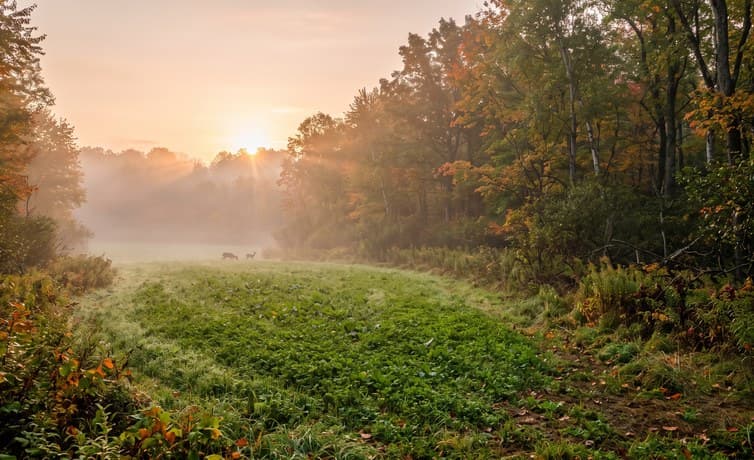
- Glass from a distance in the evenings — velvet bucks feeding in the open tell you where they’re bedding and how they travel.
- Map what you learn — mark beds, trails, rubs from last fall, and water on a mapping app so patterns emerge.
The goal isn’t to pick one tree in July. It’s to build a picture of how deer use your property so you have options when the wind changes in November.
Plant Late-Summer Food Plots
Late July through August is the classic window for planting fall food plots across much of the country — brassicas, winter wheat, oats, and clover blends that come up with late-summer rains and draw deer all season.
- Test the soil first — a cheap soil test tells you what lime and fertilizer the plot actually needs.
- Start small — a quarter-acre plot on a good trail beats a ragged two-acre field.
- Time it to rain — seed ahead of a forecast rain for the best germination.
- No equipment? No problem — throw-and-mow plots need little more than a sprayer, a spreader, and a mower.
If plots aren’t your thing, even mowing lanes through thick cover and protecting oak flats pays off in October.
Don’t Forget Water
On dry properties, water can pull deer better than any plot. A small stock tank, a lined pond in a low spot, or even a buried trough kept full through a dry September gives deer one more reason to stay on your ground when neighboring pressure heats up. Late summer is the time to put water in place — it takes weeks for wildlife to find it and build it into their pattern.
Hang Stands and Cut Lanes Early
Every hour of chainsaw work in August is an hour of silence you buy for September.
- Hang or move stands and blinds now so deer have weeks to forget the disturbance.
- Cut shooting lanes conservatively — you can always trim more later.
- Check every strap, bolt, and step on existing sets; sun and squirrels are hard on gear.
- Trim access trails so you can slip in and out quietly — and mark them for dark entries.
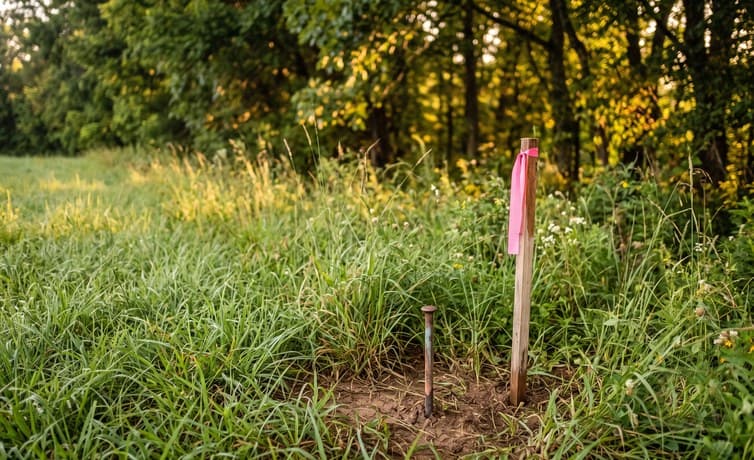
While you’re at it, walk your boundary and refresh purple paint or posted signs per your state’s rules. Clear marking prevents most trespass problems before they start.
Handle the Paperwork and the Camp
The unglamorous half of the checklist matters just as much:
- Buy licenses and tags early and note application deadlines for any limited draws.
- Reread your state and county regs — season dates, weapon rules, and baiting/feeding laws change.
- Confirm hunter education requirements for any new hunters joining you.
- Ready the camp — haul out trash, stock firewood, check the water supply, and make sure the camper or cabin is weather-tight before cold weather.
An afternoon of admin in August saves an opening-weekend scramble — or a ticket. It’s also the right time to talk with family or hunting partners about who hunts where, so stand assignments are settled long before the first frosty morning forces the question.
Hunt Your Own Land with Classic Country Land
Every item on this checklist is sweeter when the land is yours. No permission calls, no lease that vanishes next year, no crowd at the gate on opening morning — just your ground, your stands, and your season.
Classic Country Land has been helping hunters become landowners for more than 25 years, with wooded and recreational properties across 14 states and in-house owner financing on every parcel. There are no credit or background checks, and down payments start at just $999 with fixed monthly payments that fit a working hunter’s budget.
Browse current hunting properties at classiccountryland.com or call 972-649-6200. Buy it now, and you could be scouting your own land before this season’s opener.
It’s late July. The days are long, the deer are in summer patterns, and opening day feels comfortably far away. It isn’t. In most states, archery season opens in September or early October — which means the work that makes or breaks your season happens in the next six weeks.
Owning your own hunting land is the great equalizer: no drawing against other hunters for a spot, no pressure from strangers, and the freedom to improve the ground year after year. But that freedom comes with a to-do list.
Here’s how to spend late summer so that when the season opens, your land is ready — and so are you.
Scout Now, While Deer Are Predictable
Late summer is a gift for scouting. Deer are grouped up, feeding on predictable patterns, and largely unpressured.
- Hang trail cameras on field edges, water sources, and trail intersections; give each camera a couple of weeks before judging a spot.
- Glass from a distance in the evenings — velvet bucks feeding in the open tell you where they’re bedding and how they travel.
- Map what you learn — mark beds, trails, rubs from last fall, and water on a mapping app so patterns emerge.
The goal isn’t to pick one tree in July. It’s to build a picture of how deer use your property so you have options when the wind changes in November.
Plant Late-Summer Food Plots
Late July through August is the classic window for planting fall food plots across much of the country — brassicas, winter wheat, oats, and clover blends that come up with late-summer rains and draw deer all season.
- Test the soil first — a cheap soil test tells you what lime and fertilizer the plot actually needs.
- Start small — a quarter-acre plot on a good trail beats a ragged two-acre field.
- Time it to rain — seed ahead of a forecast rain for the best germination.
- No equipment? No problem — throw-and-mow plots need little more than a sprayer, a spreader, and a mower.
If plots aren’t your thing, even mowing lanes through thick cover and protecting oak flats pays off in October.
Don’t Forget Water
On dry properties, water can pull deer better than any plot. A small stock tank, a lined pond in a low spot, or even a buried trough kept full through a dry September gives deer one more reason to stay on your ground when neighboring pressure heats up. Late summer is the time to put water in place — it takes weeks for wildlife to find it and build it into their pattern.
Hang Stands and Cut Lanes Early
Every hour of chainsaw work in August is an hour of silence you buy for September.
- Hang or move stands and blinds now so deer have weeks to forget the disturbance.
- Cut shooting lanes conservatively — you can always trim more later.
- Check every strap, bolt, and step on existing sets; sun and squirrels are hard on gear.
- Trim access trails so you can slip in and out quietly — and mark them for dark entries.
While you’re at it, walk your boundary and refresh purple paint or posted signs per your state’s rules. Clear marking prevents most trespass problems before they start.
Handle the Paperwork and the Camp
The unglamorous half of the checklist matters just as much:
- Buy licenses and tags early and note application deadlines for any limited draws.
- Reread your state and county regs — season dates, weapon rules, and baiting/feeding laws change.
- Confirm hunter education requirements for any new hunters joining you.
- Ready the camp — haul out trash, stock firewood, check the water supply, and make sure the camper or cabin is weather-tight before cold weather.
An afternoon of admin in August saves an opening-weekend scramble — or a ticket. It’s also the right time to talk with family or hunting partners about who hunts where, so stand assignments are settled long before the first frosty morning forces the question.
Hunt Your Own Land with Legacy Land
Every item on this checklist is sweeter when the land is yours. No permission calls, no lease that vanishes next year, no crowd at the gate on opening morning — just your ground, your stands, and your season.
Legacy Land has been helping hunters become landowners for more than 25 years, with wooded and recreational properties across 14 states and in-house owner financing on every parcel. There are no credit or background checks, and down payments start at just $999 with fixed monthly payments that fit a working hunter’s budget.
Browse current hunting properties at classiccountryland.com or call 972-649-6200. Buy it now, and you could be scouting your own land before this season’s opener.