
First Improvements to Make on Raw Land: Access, Clearing, and Camp
The papers are signed, the land is yours — now what? Standing on a raw, wooded parcel for the first time as the owner is one of the best feelings in the world, followed quickly by a practical question: where do you even start?
The order of improvements matters more than most new landowners realize. Done in the right sequence, each project makes the next one easier and cheaper. Done out of order, you’ll pay twice. Here’s the sequence experienced land owners follow.
1. Access Comes First — Always
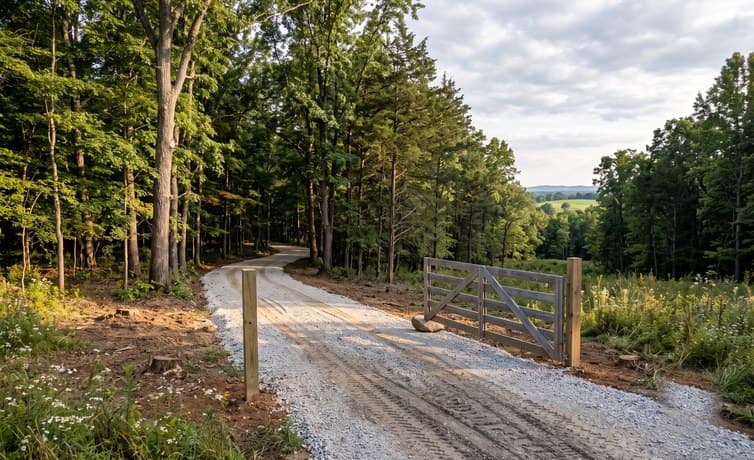
Nothing else can happen until you, your truck, and eventually a contractor’s equipment can get onto the property. Start by establishing a solid entrance: a culvert and gravel apron where your drive meets the road, sized to county specs if the county requires a permit (many rural counties don’t, but a five-minute call confirms it).
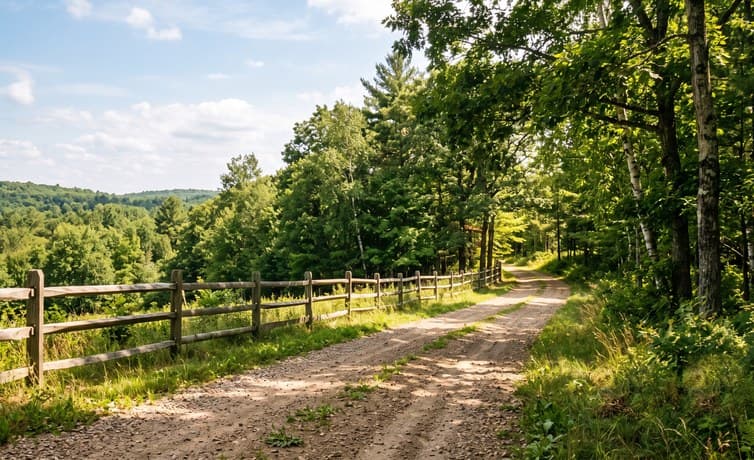
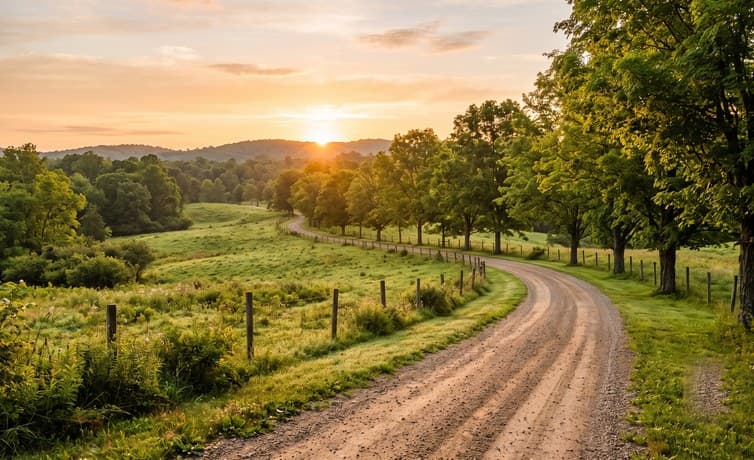
From there, rough in a driveway or two-track to your main-use area. Follow the terrain — curving with a hillside is cheaper and lasts longer than fighting it in a straight line. A dozer or skid steer can typically rough in several hundred feet in a day, and gravel can come later; a dry, packed route is the first goal.
2. Clear With Restraint
The biggest rookie mistake on wooded land is over-clearing. Trees take decades to grow and an afternoon to remove — so clear only what your immediate plans require: the drive, a camp or build site, and maybe a view corridor.
Walk the land through at least one full season before any major clearing. That thick brush you’re tempted to bulldoze may be the exact cover that holds deer on your property, and that scrubby clearing may be a natural food plot waiting for seed. Mark keeper trees with flagging tape before any equipment arrives.
3. Establish a Base Camp
Before there’s a cabin, there’s a camp — and a good one transforms how much you enjoy the land while bigger plans develop. The basics:
- A level, well-drained pad for a camper, RV, or wall tent
- A fire ring and a simple gravel or mulch “yard” that stays mud-free
- Secure storage — a small shed or lockable trailer for tools
- Shade and wind protection, which you noted before clearing (see step 2)
A weekend-ready camp means every future work trip doubles as a getaway — and you’ll make far better decisions about where the permanent structures belong after a dozen nights on the property.
4. Water Changes Everything
Even a modest water source upgrades the whole property. Options scale with budget: hauling water in tanks works for camping; a rain-catchment setup on a shed roof is cheap and surprisingly effective; a drilled well is the long-term answer if you’ll build. If the terrain and soil cooperate, a small pond adds wildlife, fishing, and fire protection — and pond sites are best identified in the wet season.
Check neighboring well depths through your state’s well-log database before budgeting; drilling costs scale with depth.
5. Boundaries, Gates, and Signs
Once you’re using the land regularly, button it up. Locate and flag your corners (a surveyor can pin them if they’re lost), hang a gate at the entrance, and post the boundary where it matters. It’s not about being unneighborly — clear boundaries prevent misunderstandings with hunters, ATV riders, and adjacent owners before they start.
Improve on Your Schedule — That’s the Point
Here’s the quiet advantage of owning your land outright or through owner financing: nobody is rushing you. There’s no construction-loan clock demanding a finished house in twelve months. You can build access this year, camp for two, and break ground when you’re ready.
That’s exactly how most Classic Country Land buyers do it. With properties in more than 20 states, no credit check, and owner financing starting at just $999 down, the land comes first and the improvements follow at your pace. Browse current listings at www.classiccountryland.com or call 972-649-6200 — and start planning improvement number one.
The papers are signed, the land is yours — now what? Standing on a raw, wooded parcel for the first time as the owner is one of the best feelings in the world, followed quickly by a practical question: where do you even start?
The order of improvements matters more than most new landowners realize. Done in the right sequence, each project makes the next one easier and cheaper. Done out of order, you’ll pay twice. Here’s the sequence experienced land owners follow.
1. Access Comes First — Always
Nothing else can happen until you, your truck, and eventually a contractor’s equipment can get onto the property. Start by establishing a solid entrance: a culvert and gravel apron where your drive meets the road, sized to county specs if the county requires a permit (many rural counties don’t, but a five-minute call confirms it).
From there, rough in a driveway or two-track to your main-use area. Follow the terrain — curving with a hillside is cheaper and lasts longer than fighting it in a straight line. A dozer or skid steer can typically rough in several hundred feet in a day, and gravel can come later; a dry, packed route is the first goal.
2. Clear With Restraint
The biggest rookie mistake on wooded land is over-clearing. Trees take decades to grow and an afternoon to remove — so clear only what your immediate plans require: the drive, a camp or build site, and maybe a view corridor.
Walk the land through at least one full season before any major clearing. That thick brush you’re tempted to bulldoze may be the exact cover that holds deer on your property, and that scrubby clearing may be a natural food plot waiting for seed. Mark keeper trees with flagging tape before any equipment arrives.
3. Establish a Base Camp
Before there’s a cabin, there’s a camp — and a good one transforms how much you enjoy the land while bigger plans develop. The basics:
- A level, well-drained pad for a camper, RV, or wall tent
- A fire ring and a simple gravel or mulch “yard” that stays mud-free
- Secure storage — a small shed or lockable trailer for tools
- Shade and wind protection, which you noted before clearing (see step 2)
A weekend-ready camp means every future work trip doubles as a getaway — and you’ll make far better decisions about where the permanent structures belong after a dozen nights on the property.
4. Water Changes Everything
Even a modest water source upgrades the whole property. Options scale with budget: hauling water in tanks works for camping; a rain-catchment setup on a shed roof is cheap and surprisingly effective; a drilled well is the long-term answer if you’ll build. If the terrain and soil cooperate, a small pond adds wildlife, fishing, and fire protection — and pond sites are best identified in the wet season.
Check neighboring well depths through your state’s well-log database before budgeting; drilling costs scale with depth.
5. Boundaries, Gates, and Signs
Once you’re using the land regularly, button it up. Locate and flag your corners (a surveyor can pin them if they’re lost), hang a gate at the entrance, and post the boundary where it matters. It’s not about being unneighborly — clear boundaries prevent misunderstandings with hunters, ATV riders, and adjacent owners before they start.
Improve on Your Schedule — That’s the Point
Here’s the quiet advantage of owning your land outright or through owner financing: nobody is rushing you. There’s no construction-loan clock demanding a finished house in twelve months. You can build access this year, camp for two, and break ground when you’re ready.
That’s exactly how most Legacy Land buyers do it. With properties in more than 20 states, no credit check, and owner financing starting at just $999 down, the land comes first and the improvements follow at your pace. Browse current listings at www.classiccountryland.com or call 972-649-6200 — and start planning improvement number one.