
How to Walk a Property Before You Buy: A Land-Visit Checklist
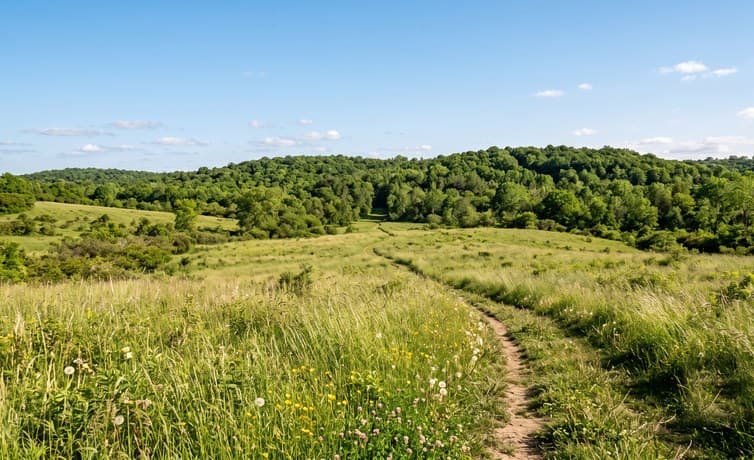
Photos and maps can tell you a lot about a piece of land, but nothing replaces boots on the ground. An hour spent walking a property will teach you things no listing ever will — how the road feels after rain, where the wet spots hide, what the neighbors' places look like, and whether the parcel simply feels right.
The trick is knowing what to look for. Most first-time buyers wander the prettiest corner of the property, take a few pictures, and drive home no wiser than when they arrived.
This checklist turns a casual visit into a real inspection. Print it and bring it with you, along with sturdy boots, a fully charged phone with a mapping app, and a healthy dose of skepticism.
Before You Leave Home
A good land visit starts at your kitchen table.
- Pull the parcel map. Load the property boundaries into a GPS mapping app so you know where the lines actually run.
- Study aerial and topo views. Note low spots, drainages, clearings, and where you'd want a homesite or camp.
- Check the route. Map the drive from the nearest town and note where pavement ends.
- Call the county. A five-minute call about zoning, permits, and road maintenance can save you a wasted trip.
Start with the Road and the Entrance
How you get onto the land matters as much as the land itself.
Drive the access road slowly
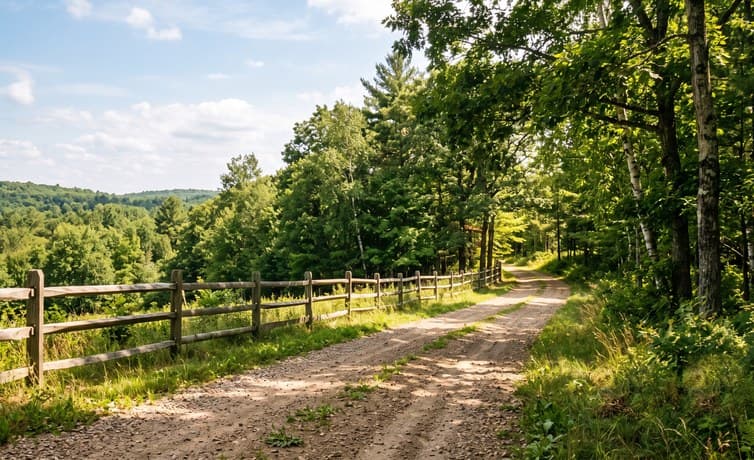
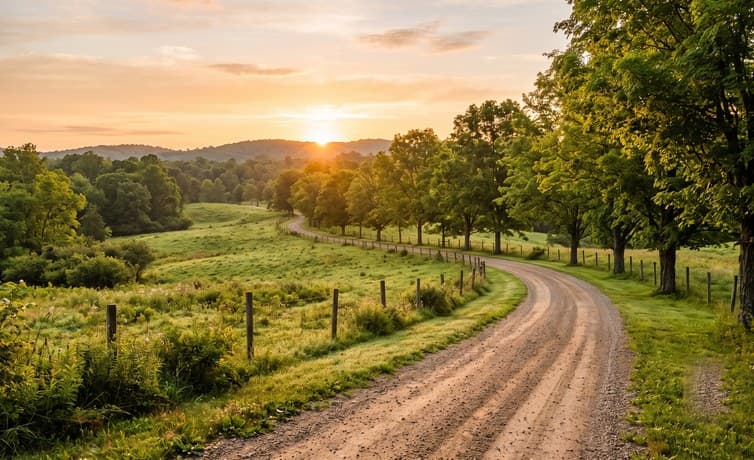
Is it paved, gravel, or dirt? Could a delivery truck, concrete mixer, or ambulance make it in? Picture the road in mud season and after a snowstorm, not just on a sunny afternoon.
Find the legal entrance
Enter where the deeded access or easement actually runs — not wherever a gate happens to hang. If the practical entrance differs from the legal one, that's a question for the seller before closing.
Walk the Boundaries, Not Just the Middle
Property lines are where surprises live. Walk as much of the perimeter as terrain allows.
- Look for corner markers — survey pins, capped rebar, old fence posts, or blazed trees.
- Note any encroachments: a neighbor's fence, driveway, deer stand, or outbuilding sitting on the wrong side of the line.
- Compare fences to the map. Old fences often wander far from true boundaries.
- Check for signs of use — ATV trails, dumped trash, or tree stands may mean neighbors treat the parcel as their own.
Read the Land Itself
Now slow down and study the ground under your feet.
Water and drainage
Look for standing water, cattails, dark mucky soil, and water-stained leaves — clues to seasonal wet areas even in a dry week. A creek is an asset; a swamp where you planned your cabin is not.
Terrain and buildable ground
Find the flat, high, dry spots. Is there a natural homesite with good drainage and a reasonable driveway route to it?
Timber and vegetation
Healthy mixed woods add value. Note recent logging, storm damage, or invasive brush that would take years to clear.
Listen and smell
Highway hum, a poultry operation, a gun range, or a gravel pit nearby will affect your enjoyment far more than anything in the listing photos.
Scout the Neighborhood on the Way Out
The surrounding area is part of what you're buying. Drive past the neighboring properties and the nearest crossroads. Well-kept homesteads and hunting camps are a good sign. Take note of how far you are from groceries, fuel, a hospital, and cell coverage — and confirm your phone actually works on the property. If you can, stop at a nearby gas station or diner and chat with a local or two; five minutes of conversation will tell you more about flooding, hunting pressure, and the county road crew than an afternoon of internet research.
One more thing worth checking anywhere you buy: the rules that protect the neighborhood. Light covenants that stop neighbors from piling up junk vehicles or trash are a quiet asset — they protect your property's value while leaving you free to camp, hunt, build, and live off-grid.
Walk Land the Easy Way with Classic Country Land
At Classic Country Land, we make property visits simple. Every listing includes detailed maps, GPS coordinates, and marked corners where available, so you can walk any property on your own schedule — no appointment, no pressure.
For more than 25 years we've helped buyers in 20+ states find their piece of country, with in-house owner financing, no credit or background checks, and down payments as low as $999. When you find the parcel that feels right underfoot, you can buy it the same day.
Start exploring at classiccountryland.com or call 972-649-6200 — then go take a walk on your future land.
What you pay upfront: $999 down, plus a one-time $249 document fee at closing.
Financing disclosure: Basic-plan payments shown assume $999 down at 10.99% APR, amortized over terms up to 20 years — some contracts include a balloon payment, typically due after three years, when the remaining balance is refinanced or paid. Rates, discounts, and terms are subject to adjustment without notice.
Photos and maps can tell you a lot about a piece of land, but nothing replaces boots on the ground. An hour spent walking a property will teach you things no listing ever will — how the road feels after rain, where the wet spots hide, what the neighbors' places look like, and whether the parcel simply feels right.
The trick is knowing what to look for. Most first-time buyers wander the prettiest corner of the property, take a few pictures, and drive home no wiser than when they arrived.
This checklist turns a casual visit into a real inspection. Print it and bring it with you, along with sturdy boots, a fully charged phone with a mapping app, and a healthy dose of skepticism.
Before You Leave Home
A good land visit starts at your kitchen table.
- Pull the parcel map. Load the property boundaries into a GPS mapping app so you know where the lines actually run.
- Study aerial and topo views. Note low spots, drainages, clearings, and where you'd want a homesite or camp.
- Check the route. Map the drive from the nearest town and note where pavement ends.
- Call the county. A five-minute call about zoning, permits, and road maintenance can save you a wasted trip.
Start with the Road and the Entrance
How you get onto the land matters as much as the land itself.
Drive the access road slowly
Is it paved, gravel, or dirt? Could a delivery truck, concrete mixer, or ambulance make it in? Picture the road in mud season and after a snowstorm, not just on a sunny afternoon.
Find the legal entrance
Enter where the deeded access or easement actually runs — not wherever a gate happens to hang. If the practical entrance differs from the legal one, that's a question for the seller before closing.
Walk the Boundaries, Not Just the Middle
Property lines are where surprises live. Walk as much of the perimeter as terrain allows.
- Look for corner markers — survey pins, capped rebar, old fence posts, or blazed trees.
- Note any encroachments: a neighbor's fence, driveway, deer stand, or outbuilding sitting on the wrong side of the line.
- Compare fences to the map. Old fences often wander far from true boundaries.
- Check for signs of use — ATV trails, dumped trash, or tree stands may mean neighbors treat the parcel as their own.
Read the Land Itself
Now slow down and study the ground under your feet.
Water and drainage
Look for standing water, cattails, dark mucky soil, and water-stained leaves — clues to seasonal wet areas even in a dry week. A creek is an asset; a swamp where you planned your cabin is not.
Terrain and buildable ground
Find the flat, high, dry spots. Is there a natural homesite with good drainage and a reasonable driveway route to it?
Timber and vegetation
Healthy mixed woods add value. Note recent logging, storm damage, or invasive brush that would take years to clear.
Listen and smell
Highway hum, a poultry operation, a gun range, or a gravel pit nearby will affect your enjoyment far more than anything in the listing photos.
Scout the Neighborhood on the Way Out
The surrounding area is part of what you're buying. Drive past the neighboring properties and the nearest crossroads. Well-kept homesteads and hunting camps are a good sign. Take note of how far you are from groceries, fuel, a hospital, and cell coverage — and confirm your phone actually works on the property. If you can, stop at a nearby gas station or diner and chat with a local or two; five minutes of conversation will tell you more about flooding, hunting pressure, and the county road crew than an afternoon of internet research.
One more thing worth checking anywhere you buy: the rules that protect the neighborhood. Light covenants that stop neighbors from piling up junk vehicles or trash are a quiet asset — they protect your property's value while leaving you free to camp, hunt, build, and live off-grid.
Walk Land the Easy Way with Legacy Land
At Legacy Land, we make property visits simple. Every listing includes detailed maps, GPS coordinates, and marked corners where available, so you can walk any property on your own schedule — no appointment, no pressure.
For more than 25 years we've helped buyers in 20+ states find their piece of country, with in-house owner financing, no credit or background checks, and down payments as low as $999. When you find the parcel that feels right underfoot, you can buy it the same day.
Start exploring at classiccountryland.com or call 972-649-6200 — then go take a walk on your future land.
What you pay upfront: $999 down, plus a one-time $249 document fee at closing.
Financing disclosure: Basic-plan payments shown assume $999 down at 10.99% APR, amortized over terms up to 20 years — some contracts include a balloon payment, typically due after three years, when the remaining balance is refinanced or paid. Rates, discounts, and terms are subject to adjustment without notice.